Split Screen Nation: How Americans Are Rewiring the Sports Viewing Experience
The Death of the Single Screen
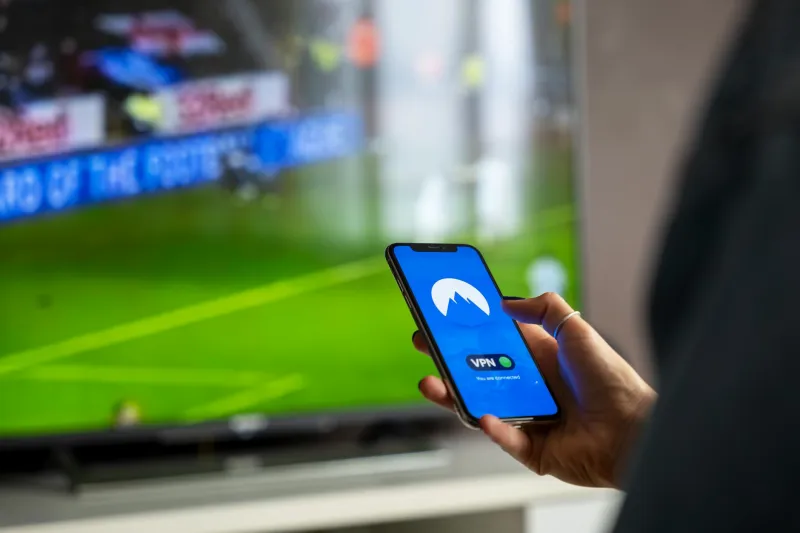
Remember when watching a football game meant actually watching the football game? When the biggest distraction was getting up for snacks during commercial breaks? Those days feel like ancient history. Walk into any sports bar in America today, and you'll see something that would have seemed impossible just a decade ago: people staring at their phones while live sports play on massive screens right in front of them.
We've entered the era of split-screen sports consumption, and it's fundamentally changing what it means to be a fan. The question isn't whether this transformation is happening—it's whether we're witnessing evolution or destruction.
The New Viewing Ecosystem
Today's sports fan doesn't just watch games; they manage an entire ecosystem of simultaneous experiences. They're streaming the primary game on their TV, tracking fantasy scores on their phone, following Twitter reactions in real-time, checking alternate camera angles on league apps, and monitoring betting odds that update every few seconds.
This isn't multitasking—it's multimedia consumption. Fans have essentially become their own personal broadcast directors, curating their viewing experience from multiple sources simultaneously. The traditional model of passive consumption has been replaced by active curation.
The numbers tell the story. According to recent studies, over 70% of sports viewers use a second screen while watching live games. Among viewers under 35, that number jumps to nearly 90%. We're not just watching differently; we're watching more intensely than ever before.
The Instant Everything Generation
Part of this shift comes from our collective inability to wait for anything. Why watch three hours of baseball when you can get highlights, analysis, and reactions in real-time? Why sit through commercial breaks when you can flip to another game, check fantasy updates, or watch slow-motion replays from seventeen different angles?
Streaming platforms and social media have trained us to expect instant gratification. The moment something interesting happens in a game, we want to see it again immediately, understand its implications, and share our reactions with the world. The traditional broadcast structure of showing one thing at a time feels impossibly restrictive.
This has created what sports psychologists call "attention fragmentation." We're consuming more sports content than ever before, but our focus is scattered across multiple streams of information. The deep, immersive experience of watching a complete game has been replaced by a constant stream of micro-experiences.
How Leagues Are Adapting
Smart sports organizations aren't fighting this trend—they're embracing it. The NFL has transformed its RedZone channel into appointment television by giving fans exactly what they want: constant action, multiple games, and zero downtime. It's become the perfect second-screen companion, designed for the modern attention span.
The NBA has gone even further, creating alternate broadcasts specifically for different types of viewers. Want advanced analytics? There's a stream for that. Prefer player interviews during the game? They've got you covered. Want to watch with celebrity commentators making jokes? That exists too.
Major League Baseball, traditionally the most conservative of the major sports, has started experimenting with everything from pitch-by-pitch betting integration to augmented reality features that overlay statistics directly onto the live broadcast. They're essentially turning every game into an interactive experience.
The Social Media Amplifier
Twitter has become the unofficial second screen for American sports, creating a real-time commentary track that runs parallel to every major game. Fans aren't just watching their team score; they're immediately seeing how thousands of other people react to that same moment.
This social layer adds intensity to every play. A routine catch becomes more exciting when you see it trending on Twitter. A controversial call gains significance when you watch the immediate outrage unfold across social media. We're not just experiencing the game; we're experiencing the collective reaction to the game.
But there's a downside to this constant connectivity. The social media amplifier also magnifies negativity, turning every mistake into a potential meme and every bad call into a conspiracy theory. The immediate feedback loop can make sports feel more stressful and less enjoyable.
The Fantasy Factor
Fantasy sports have fundamentally altered how Americans watch games. We're no longer just rooting for our favorite teams; we're tracking individual player performances across multiple games simultaneously. A touchdown isn't just good for your team—it's good for your fantasy lineup, your daily fantasy contest, and your season-long league.
This has created a more engaged but less loyal fanbase. Fantasy players watch more games than traditional fans, but they're emotionally invested in individual performances rather than team success. The narrative of the game becomes secondary to the accumulation of statistics.
The Attention Span Question
Here's where the debate gets interesting: are we enhancing our sports consumption or destroying our ability to appreciate the subtleties of athletic competition? The traditional sports viewing experience required patience. You had to sit through slow periods to appreciate the moments of brilliance. You had to understand the flow of the game to recognize great strategy.
The new model prioritizes highlights over context, reactions over analysis, and immediate gratification over long-term investment. We're getting more content but potentially less understanding. We're more connected to other fans but possibly less connected to the actual sport.
The Next Evolution
Technology companies are already working on the next phase of sports consumption: virtual and augmented reality experiences that will make today's second-screen viewing look primitive. Imagine watching a basketball game from the perspective of your favorite player, or having real-time statistics appear in your field of vision during a football game.
The question is whether these innovations will bring us closer to the action or further from the pure experience of athletic competition. Are we enhancing sports or replacing them with something entirely different?
Finding the Balance
The most successful sports fans of the future will be the ones who can navigate this new landscape without losing sight of what makes sports special in the first place. That means knowing when to put the phone down and just watch the game unfold. It means appreciating the moments of tension and uncertainty that make live sports irreplaceable.
The technology isn't going away, and neither is our appetite for instant information and social connection. But the fans who figure out how to use these tools to enhance rather than replace the core sports experience will be the ones who get the most out of this new era.
Because at the end of the day, no amount of social media integration or fantasy points can replicate the feeling of watching your team win a championship. Some experiences still require your full attention.