The Stories Behind the Stories: What Really Matters While Everyone's Watching Highlights

The Real Game Happens Off the Field
Every Sunday, millions of Americans tune in to watch their teams battle it out on the gridiron. Every Tuesday, NBA Twitter explodes over a clutch three-pointer or a blown defensive assignment. But while we're all glued to the action on our screens, the most significant stories in sports are unfolding in boardrooms, training facilities, and front offices across the country.
These are the moves that don't make SportsCenter's top plays, but they're the ones that determine whether your team will be celebrating championships or rebuilding for the next decade.
The Ownership Revolution Nobody Talks About
Take the quiet transformation happening in NFL ownership circles. While fans debate quarterback controversies, a new generation of owners is fundamentally changing how franchises operate. These aren't the old-school, family-business approaches that dominated for decades. We're seeing tech entrepreneurs and investment groups bringing Silicon Valley methodologies to century-old sports organizations.
The Washington Commanders' sale to Josh Harris wasn't just about getting Daniel Snyder out of the picture. It represented a shift toward data-driven decision making and modern workplace culture that's rippling through the league. Teams are hiring chief analytics officers, investing in player wellness programs that go far beyond traditional training, and building organizational structures that look more like Fortune 500 companies than the fraternal sports clubs of the past.
 Photo: Josh Harris, via frontofficesports.com
 Photo: Washington Commanders, via wallpaperaccess.com
The Culture Wars You Don't See
In locker rooms across America, a generational divide is reshaping team dynamics in ways that won't show up in any stat sheet. Veteran players who grew up in the "shut up and play" era are working alongside rookies who view mental health, social justice, and work-life balance as non-negotiable parts of their professional lives.
This isn't about politics—it's about how teams function. The franchises that figure out how to bridge this gap are building sustainable winning cultures. The ones that don't are dealing with chemistry issues that no amount of talent can overcome.
Look at the NBA's most successful organizations over the past five years. They're not just the ones with the best players; they're the ones that created environments where different generations of athletes can thrive together. That's happening through everything from meditation rooms in practice facilities to veteran mentorship programs that actually work.
The Money Story That Changes Everything
While everyone's focused on salary caps and contract extensions, the real financial revolution is happening in how teams generate revenue. The traditional model of ticket sales, concessions, and local TV deals is becoming just one piece of a much larger puzzle.
Teams are building entertainment districts, launching streaming services, and creating year-round fan experiences that have nothing to do with game day. The Dallas Cowboys didn't become "America's Team" by accident—they became a lifestyle brand that happens to play football.
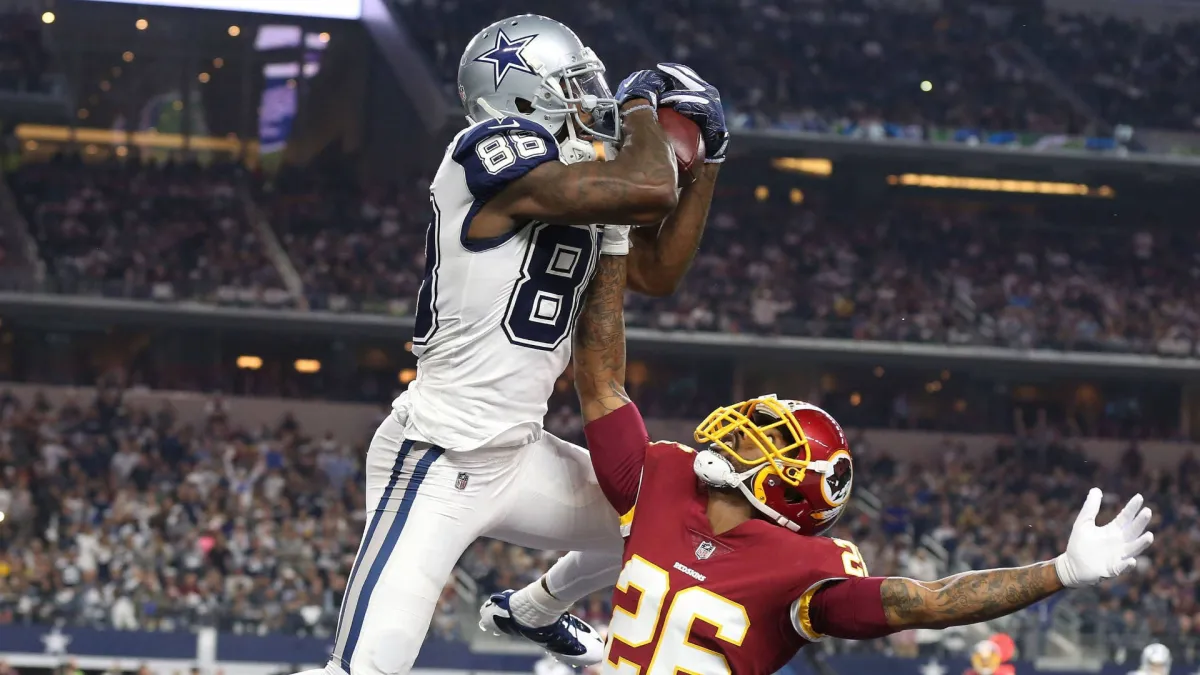 Photo: Dallas Cowboys, via wallpapers.com
This shift is creating massive advantages for franchises that embrace it early. Small-market teams that were traditionally disadvantaged are finding new revenue streams through digital innovation and fan engagement strategies. Meanwhile, some big-market teams that relied on legacy advantages are getting left behind.
The Technology Gap That's Splitting Sports
Every team talks about using analytics, but there's a growing divide between organizations that truly understand data and those that are just checking boxes. The difference isn't about having more computers in the building—it's about integrating technology into every aspect of team operations.
The most successful franchises are using AI to optimize everything from player recovery schedules to concession stand staffing. They're analyzing fan behavior to create personalized experiences that keep people engaged year-round. They're using biometric data not just to prevent injuries, but to maximize performance in ways that weren't possible even five years ago.
This technological arms race is creating a new kind of competitive advantage that has nothing to do with what happens between the lines.
The Next Chapter
The teams that understand these behind-the-scenes trends are positioning themselves for sustained success. They're building organizations that can adapt to changing media landscapes, evolving fan expectations, and new competitive realities.
Meanwhile, franchises that only focus on the immediate wins and losses are setting themselves up for irrelevance. In five years, the gap between forward-thinking organizations and traditional ones will be impossible to ignore.
So the next time you're watching your team play, remember that the most important game might be happening in the front office. Because while everyone else is watching the scoreboard, the smartest organizations are already building the future of sports.