Under the Lights: Why America's Greatest Sports Moments Always Happen in Prime Time

The Prime Time Magic Formula
Turn on any prime time sporting event in America, and you can feel it immediately. The energy is different. The stakes feel higher. Players move with an extra spring in their step, and every moment carries the weight of millions watching. It's not your imagination – prime time genuinely brings out the best in American sports.
From Monday Night Football to nationally televised NBA showdowns, the biggest stages consistently produce the biggest moments. But why? What is it about those bright lights and massive audiences that transforms routine competition into legendary performance?
When Monday Night Became Must-See TV
Monday Night Football didn't just change when people watched football – it changed how football was played. Since 1970, MNF has been the stage for some of the most iconic performances in NFL history. Joe Namath's guarantee, Brett Favre's emotional return after his father's death, and countless game-winning drives that are still replayed today.
The numbers don't lie: quarterbacks consistently post better statistics on Monday nights. Running backs break more tackles. Receivers make more spectacular catches. When 20 million people are watching, athletes find another gear that simply doesn't exist during Sunday afternoon games.
The NBA's Prime Time Performers
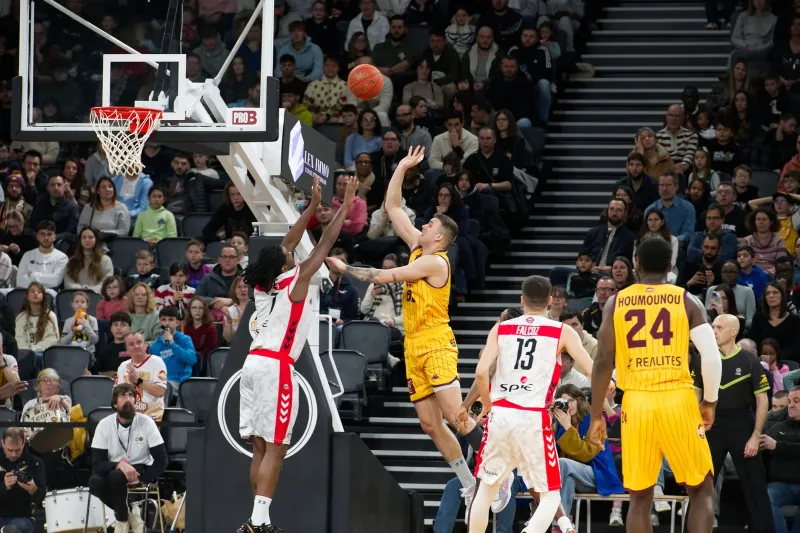
Basketball's biggest stars have always understood the assignment when the cameras are rolling nationally. Kobe Bryant's 81-point game happened on a Sunday night against Toronto with the entire basketball world watching. LeBron James has built his legend on prime time performances, from his 2016 Finals comeback to countless Christmas Day classics.
The NBA has leaned into this phenomenon, scheduling their marquee matchups for national television. Christmas Day games, Thursday night TNT doubleheaders, and playoff games all benefit from this prime time effect. Players know when the lights are brightest, and they respond accordingly.
The Psychological Edge of the Big Stage
Sports psychologists have studied this phenomenon for decades, and the results are fascinating. Elite athletes don't just tolerate pressure – they thrive on it. The bigger the audience, the more adrenaline flows, and the higher their performance peaks.
There's also the legacy factor. Players understand that prime time moments live forever. A spectacular play on a random Tuesday afternoon might make SportsCenter. A spectacular play on Monday Night Football becomes part of sports folklore.
College Football's Saturday Night Fever
College football has perhaps perfected the prime time formula better than anyone. Saturday night games in the SEC create an atmosphere that's part sporting event, part cultural phenomenon. When Alabama plays LSU under the lights in Death Valley, or when Ohio State visits Penn State for a White Out game, magic happens.
These games consistently produce the season's most memorable moments. Heisman Trophy campaigns are built on Saturday night performances. National championship hopes live and die under those stadium lights.
The Playoff Amplification Effect
If prime time regular season games are special, prime time playoff games are transcendent. The NBA Finals, the Super Bowl, the World Series – these events don't just showcase great athletes, they create legends.
Michael Jordan's flu game happened on a Wednesday night in June with the basketball world watching. Tom Brady's 28-3 comeback unfolded on the biggest stage in American sports. These moments don't happen in afternoon games or empty stadiums.
The Social Media Multiplication
Modern prime time games benefit from real-time social media amplification that didn't exist in previous eras. A spectacular dunk or impossible catch gets shared millions of times before the replay even finishes. Players know their biggest moments will live forever online, adding another layer of motivation to perform when everyone's watching.
Twitter explodes during prime time games in ways that simply don't happen during afternoon contests. The collective viewing experience has become part of the entertainment itself.
The Economics of Excellence
Networks pay premium prices for prime time sports rights because they know these games deliver premium entertainment. The NFL's Thursday Night Football package costs billions because Thursday night games consistently outperform expectations. The NBA's national television contracts are built around the understanding that prime time basketball is appointment television.
This economic reality creates a feedback loop: networks want the best games in prime time, which creates the biggest stages, which produces the best performances, which justifies the premium prices.
The Exceptions That Prove the Rule
Of course, not every prime time game becomes a classic. Sometimes the big stage produces big disappointments. Blowouts happen. Stars have off nights. But even the failures feel more significant when they happen under the lights.
The rare afternoon classics – like the Patriots' incredible comeback against the Falcons in Super Bowl LI – often feel special precisely because they buck the prime time trend.
Why We Keep Coming Back
Prime time sports represent the best of American entertainment culture. They combine athletic excellence with dramatic storytelling, individual brilliance with collective experience, and present-moment excitement with lasting legacy.
When you settle in for Monday Night Football or a big NBA game on TNT, you're not just watching sports. You're participating in a cultural ritual that consistently delivers moments you'll remember for decades.
The lights don't just illuminate the field or court – they illuminate greatness itself. And in American sports, greatness always seems to shine brightest when everyone's watching.