Gloves Up, Eyeballs On: Why Combat Sports Are Owning the American Sports Conversation Right Now
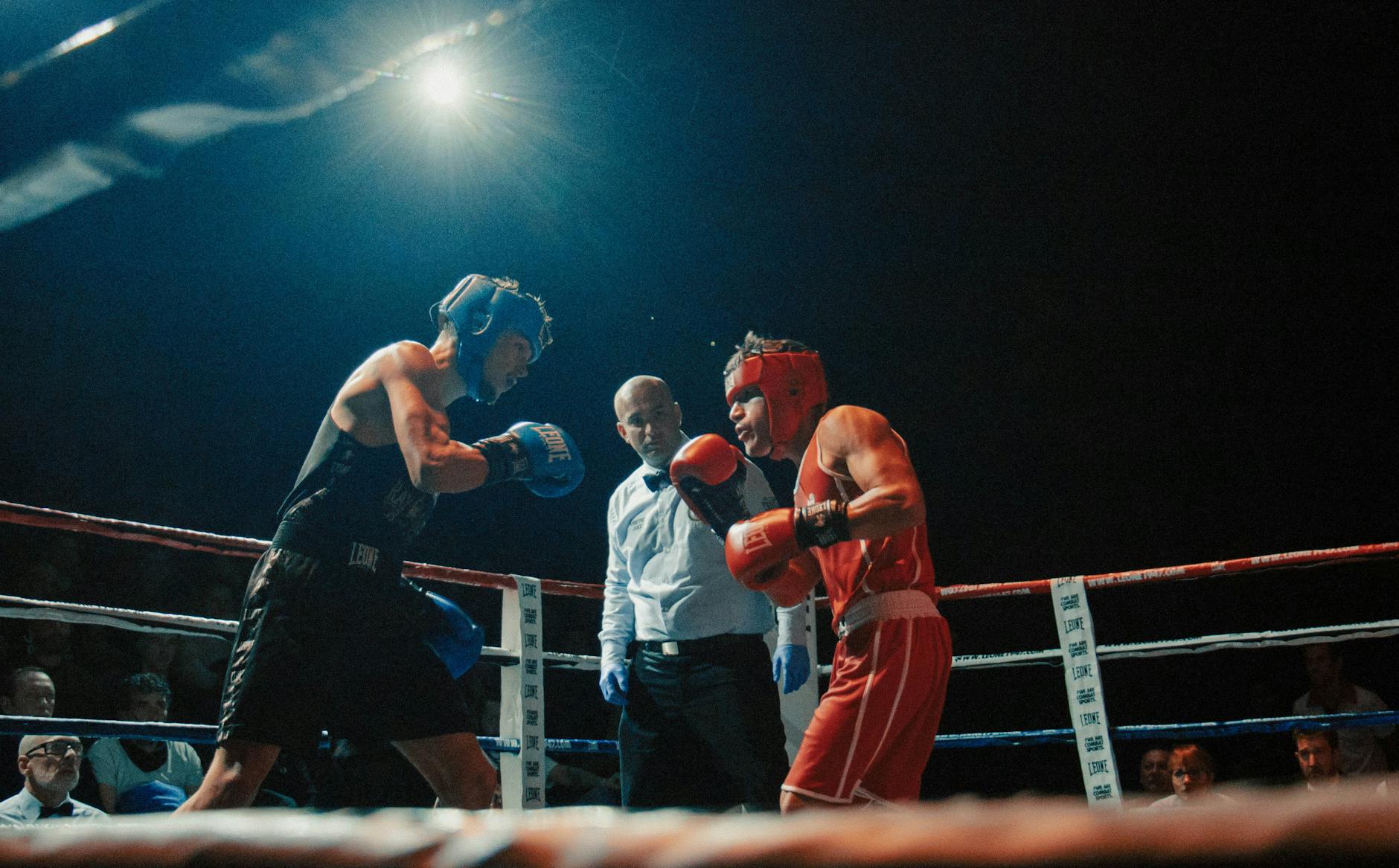
Something is happening in American sports culture, and if you've been paying even half attention to your social media feeds, you've already felt it.
Fights are everywhere. Not just on pay-per-view platforms or combat sports channels — on every timeline, every podcast, every sports bar conversation. Boxing and MMA have muscled their way back into the mainstream American sports conversation in a way that hasn't felt this sustained or this broad in years. Maybe ever.
So what's driving it? And more importantly — is this a genuine cultural shift, or just another spike that fades once the novelty wears off?
The Numbers Don't Lie
Let's start with the raw evidence.
Pay-per-view numbers for major boxing and MMA events have been consistently strong over the past two years, with several high-profile cards generating buy rates that rival the biggest events in NFL or NBA history. The UFC's deal with ESPN and its expansion into new markets has made the promotion more accessible than at any point in its history. Meanwhile, boxing has found new life through streaming platforms, live events on Netflix, and the kind of cross-promotional chaos that keeps fans constantly engaged.
The audience data tells an equally interesting story. Combat sports viewership isn't just holding steady among traditional fans — it's growing among younger demographics and, crucially, among casual sports fans who might not have previously considered a UFC card or a boxing pay-per-view worth their Saturday night.
That last point is the key one. Combat sports have always had a dedicated core. What's different now is the width of the tent.
Social Media Changed Everything
You cannot understand the current combat sports boom without understanding what social media — particularly YouTube, TikTok, and X — has done to the promotional landscape.
Fight promotion has always been built on personality and trash talk. But social media has turbocharged that dynamic in ways that traditional press conferences and TV interviews never could. A single heated exchange between fighters can reach tens of millions of people within hours. Highlight clips of knockouts and submission finishes spread like wildfire. And the parasocial connection fans develop with fighters through their social channels creates a level of personal investment that's genuinely hard to manufacture in other sports.
The crossover celebrity fight phenomenon — Jake Paul, KSI, and others who built massive audiences online before stepping into the ring — gets a lot of (often deserved) criticism from purists. But its impact on the broader ecosystem is undeniable. Those events have introduced millions of younger American viewers to boxing as a live, emotionally charged spectacle. Some of those viewers have stayed, and they're now watching actual world title fights with real stakes.
That's not nothing. That's actually a lot.
The Stars Are Arriving at the Right Time
Every sports boom needs compelling personalities at its center. Combat sports right now has no shortage of them.
In the UFC, fighters like Islam Makhachev, Sean O'Malley, and Alex Pereira have become genuine mainstream names — athletes with distinct personalities, dedicated fan bases, and the ability to generate conversation well beyond the traditional MMA audience. Pereira, in particular, has become one of the most fascinating figures in combat sports: a former kickboxing champion who has climbed through multiple weight classes in the UFC with a kind of relentless forward momentum that makes every fight feel like an event.
In boxing, the heavyweight division is as globally compelling as it's been in decades. American fans have been pulled into a heavyweight landscape that features genuine drama, contested results, and fighters with real star power. Meanwhile, lighter weight classes are producing technically brilliant match-ups that reward both casual viewers and dedicated fans.
The timing matters. These athletes are arriving at a moment when the platforms exist to amplify them, when the promotional infrastructure is more sophisticated than it's ever been, and when American sports fans are genuinely hungry for something new.
The Netflix Factor and the Mainstreaming of Fight Night
When Netflix aired a live boxing event — the Jake Paul vs. Mike Tyson card — and pulled in viewing numbers that broke records for the platform, it sent a clear message to every sports media executive paying attention: combat sports, presented correctly, can reach audiences that traditional pay-per-view models never could.
Regardless of what you thought about the quality of that specific event, the cultural moment it created was real. Tyson trending on social media. Casual fans who hadn't thought about boxing in years suddenly watching a live fight on a Friday night. Water-cooler conversations in offices across the country the following Monday.
Streaming platforms are now in genuine competition for combat sports rights, and that competition is going to mean more fights, better production, and lower barriers for casual fans to tune in. That's a significant structural shift — and one that benefits the sport's long-term growth considerably.
Is This Boom Built to Last?
Here's the honest take: combat sports have been here before. The early UFC boom in the mid-2000s. The Floyd Mayweather era in boxing. Moments when the mainstream attention felt enormous — and then gradually faded as the next big thing arrived.
But there are real reasons to believe this moment is different.
The infrastructure is more robust. The media ecosystem — streaming, social, podcasting — is more favorable to combat sports than at any previous point. The talent pool is genuinely deep across both boxing and MMA. And crucially, the casual fan pathway has never been easier. You don't need to subscribe to a niche cable package or track down a sketchy stream. The fights come to you.
The biggest risk, as always, is the sport eating itself. Promotional disputes, mismatched cards, and the endless cycle of postponed or cancelled fights have historically frustrated fans and cooled momentum. If the major promotions can stay disciplined — keep delivering compelling match-ups and resist the temptation to over-monetize casual fans — this moment could sustain itself in a way previous booms never managed.
Our take? This isn't a bubble. It's a baseline shift. Combat sports have found their footing in the modern American sports landscape, and the infrastructure now exists to keep them there.
The gloves are on. The audience is watching. And for the first time in a long time, it feels like the momentum is pointing in one direction only.