Concrete Dreams: How Street Competition Built America's Greatest Athletes
Where Champions Are Really Made
Long before million-dollar training facilities and year-round academies, American sports legends cut their teeth in places that would make today's parents nervous. Cracked asphalt courts in Brooklyn. Muddy fields behind gas stations in Texas. These weren't just places to play—they were laboratories where future superstars developed the creativity and toughness that would define their careers.
The street game taught lessons no coach could provide: how to adapt on the fly, how to earn respect through performance, and how to find angles that didn't exist in textbooks. Those skills are increasingly rare in today's structured youth sports world, making them more valuable than ever.
The Playground Professors
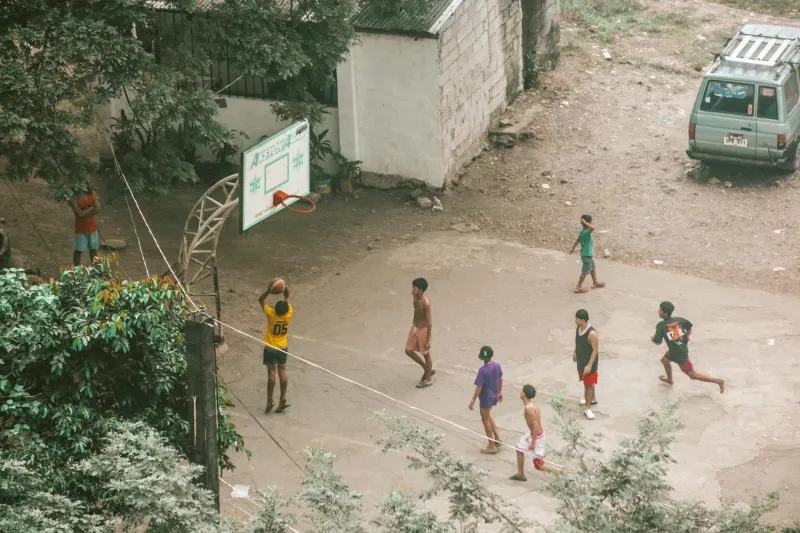
New York City's basketball courts have produced more NBA talent per square mile than anywhere else on Earth. Players like Stephon Marbury, Sebastian Telfair, and countless others learned the game on courts where style mattered as much as substance.
 Photo: New York City, via storage.needpix.com
The playground game emphasized creativity over fundamentals. Players had to develop signature moves to survive, leading to the flashy handles and impossible shots that became their calling cards. When Kyrie Irving breaks ankles with his dribbling or when Jamal Crawford pulls up from impossible angles, they're drawing from a playbook written on concrete courts decades ago.
Streetball taught players to perform under pressure in ways that organized basketball never could. Miss a shot in AAU and you get subbed out. Miss a shot on the playground and you might not touch the ball again for an hour. That pressure created players who thrived in clutch moments because they'd been proving themselves their entire lives.
Texas Football Mythology
Friday Night Lights captured the organized side of Texas football, but the real magic happened in sandlot games where kids played until darkness forced them home. These pickup games had no referees, no playbooks, and definitely no participation trophies.
Players like Earl Campbell and Eric Dickerson developed their legendary running styles in games where the only rule was to keep moving forward. Without proper equipment, they learned to absorb contact and dish it out in return. The toughness that defined their NFL careers was forged in games where getting hurt meant walking home.
The sandlot game also taught improvisation that organized football often coached out of players. Quarterbacks learned to extend plays and find receivers in chaos. Running backs developed vision by navigating fields with no yard markers. These skills became invaluable when they reached the highest levels of the sport.
The Lost Art of Self-Teaching
Perhaps the most important skill street sports developed was the ability to teach yourself. Without coaches breaking down every movement, players had to figure out what worked through trial and error. This created athletes who could adapt and evolve throughout their careers.
Michael Jordan famously spent hours alone on courts, inventing shots and moves that would later become signature elements of his game. The fadeaway jumper that defined his career wasn't taught in basketball camps—it was developed through countless hours of experimentation.
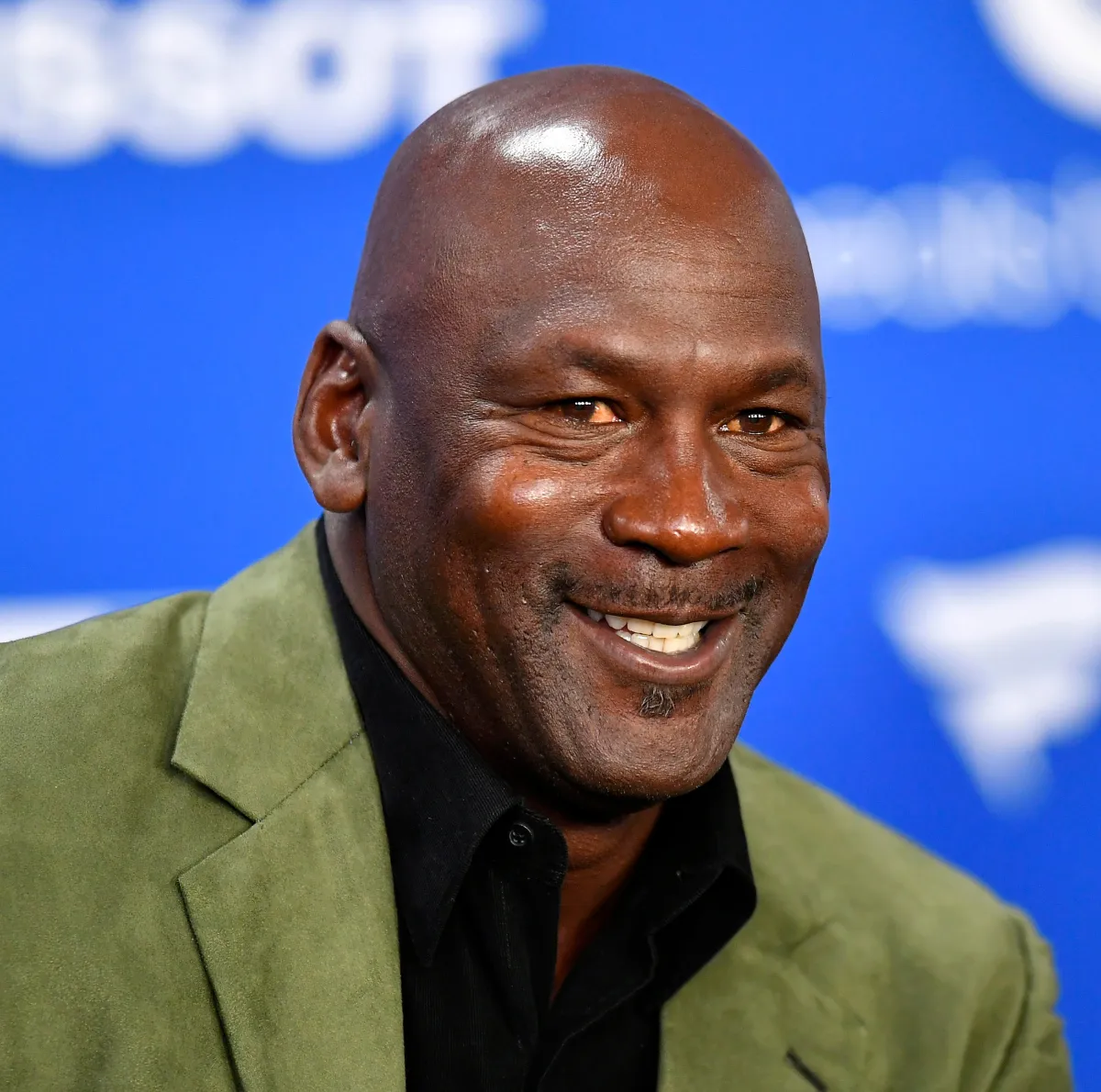 Photo: Michael Jordan, via hips.hearstapps.com
This self-directed learning created players with deep understanding of their sports. They knew why certain techniques worked because they'd discovered them organically. When faced with new challenges, they could innovate solutions rather than waiting for coaching adjustments.
The Democracy of the Street
Street sports operated on pure meritocracy. Your age, size, or family background meant nothing if you couldn't produce on the field or court. This environment created players who understood that respect was earned through performance, not given based on potential.
Players learned to compete with and against opponents of all sizes and skill levels. A 14-year-old might find himself guarding a grown man, teaching him to use intelligence and quickness to overcome physical disadvantages. These experiences created versatile athletes who could adapt to any matchup.
The street game also taught players to handle trash talk, physical play, and questionable calls without breaking down. These mental toughness lessons proved invaluable when they faced hostile crowds and playoff pressure at higher levels.
What We're Losing
Today's youth sports landscape prioritizes safety, structure, and equal playing time. These are admirable goals, but they've eliminated many of the elements that created previous generations of athletic legends.
Modern players often specialize in single sports from an early age, missing the cross-training benefits that pickup games provided. A basketball player who also played football developed different types of toughness and body control. These multi-sport athletes often had longer, more successful careers.
The constant adult supervision in organized sports has also reduced player autonomy. Kids today rarely have to resolve conflicts, make their own calls, or figure out fair teams without adult intervention. These life skills were just as important as athletic development.
The Creative Spark
Street sports rewarded innovation in ways that organized competition often discouraged. Players who invented new moves or found creative solutions to problems became local legends. This emphasis on style and creativity led to the spectacular plays that fans still talk about today.
When Allen Iverson crossed over Michael Jordan or when Vince Carter windmill-dunked over seven-footers, they were showcasing skills developed in environments that celebrated individual expression. The "And 1" mixtape culture grew directly from streetball's emphasis on style over fundamentals.
This creative freedom also extended to strategy. Without coaches calling plays, players had to read and react in real time. They developed court vision and game sense that couldn't be taught from a clipboard.
Finding the Balance
The goal isn't to eliminate organized youth sports or return to completely unstructured play. Both environments offer valuable lessons. The challenge is finding ways to preserve the creativity, toughness, and self-reliance that street sports developed while maintaining the safety and skill development that organized programs provide.
Some programs have started incorporating "playground rules" into their training, encouraging players to be creative and solve problems independently. Others have created unstructured time within organized practices, allowing players to experiment and play freely.
The Eternal Lessons
The greatest athletes understand that their sport extends beyond formal competition. They seek out challenging environments, whether it's pickup games, training with different types of players, or simply spending time working on their craft without supervision.
The street game taught that basketball, football, and other sports are ultimately about problem-solving, creativity, and mental toughness. Those lessons remain as relevant today as they were on the concrete courts and sandlot fields where legends were born.
In an era of increasing specialization and structure, the athletes who can tap into that street-smart creativity will continue to stand out. The concrete courts and muddy fields may be disappearing, but the lessons they taught will always separate good players from great ones.