Countdown: What Athletes Actually Do in the Hours Before a Championship
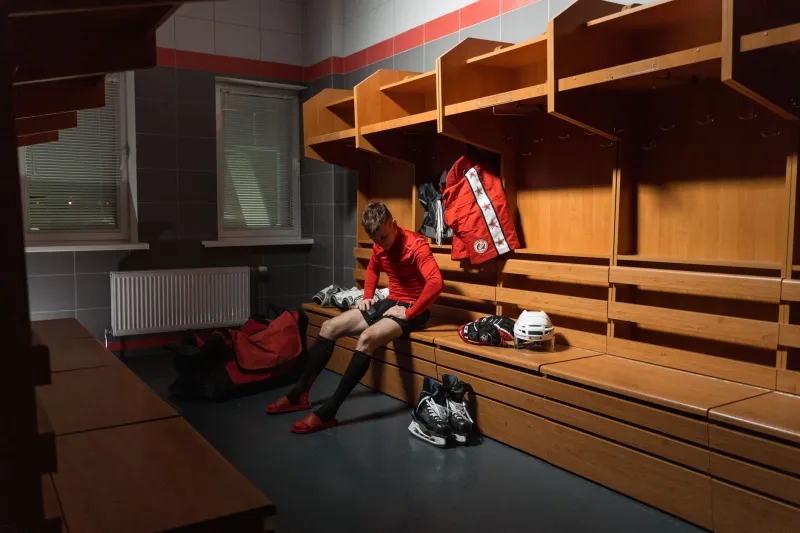
The locker room is quiet. The arena is still being swept. Outside, the city is already buzzing — tailgates filling up, sports bars three-deep at the bar, fans in jerseys spilling onto sidewalks. But inside the hotel, inside the private mental space of the athletes who are about to play for everything, there's a different kind of intensity happening. Slower. More personal. And in many ways, more revealing than anything that will happen once the ball goes up.
Championship day has its own rhythm. And the hours leading up to the opening whistle are where the real psychological battle gets fought.
The Morning Ritual: Controlling the Controllable
For most elite athletes, championship morning starts with a deliberate attempt to make the day feel as normal as possible. This sounds counterintuitive — how do you treat a championship game like a regular Tuesday? — but it's a well-documented psychological strategy. Routine is armor.
Michael Jordan, by multiple accounts from teammates and coaches, was almost eerie in his calmness on championship game mornings. He'd eat the same breakfast he always ate, go through the same shooting warm-up he always did, crack the same jokes in the locker room. The routine wasn't denial — Jordan knew exactly what was at stake. It was control. By keeping the morning structured and familiar, he kept his nervous system from going into overdrive before he needed it to.
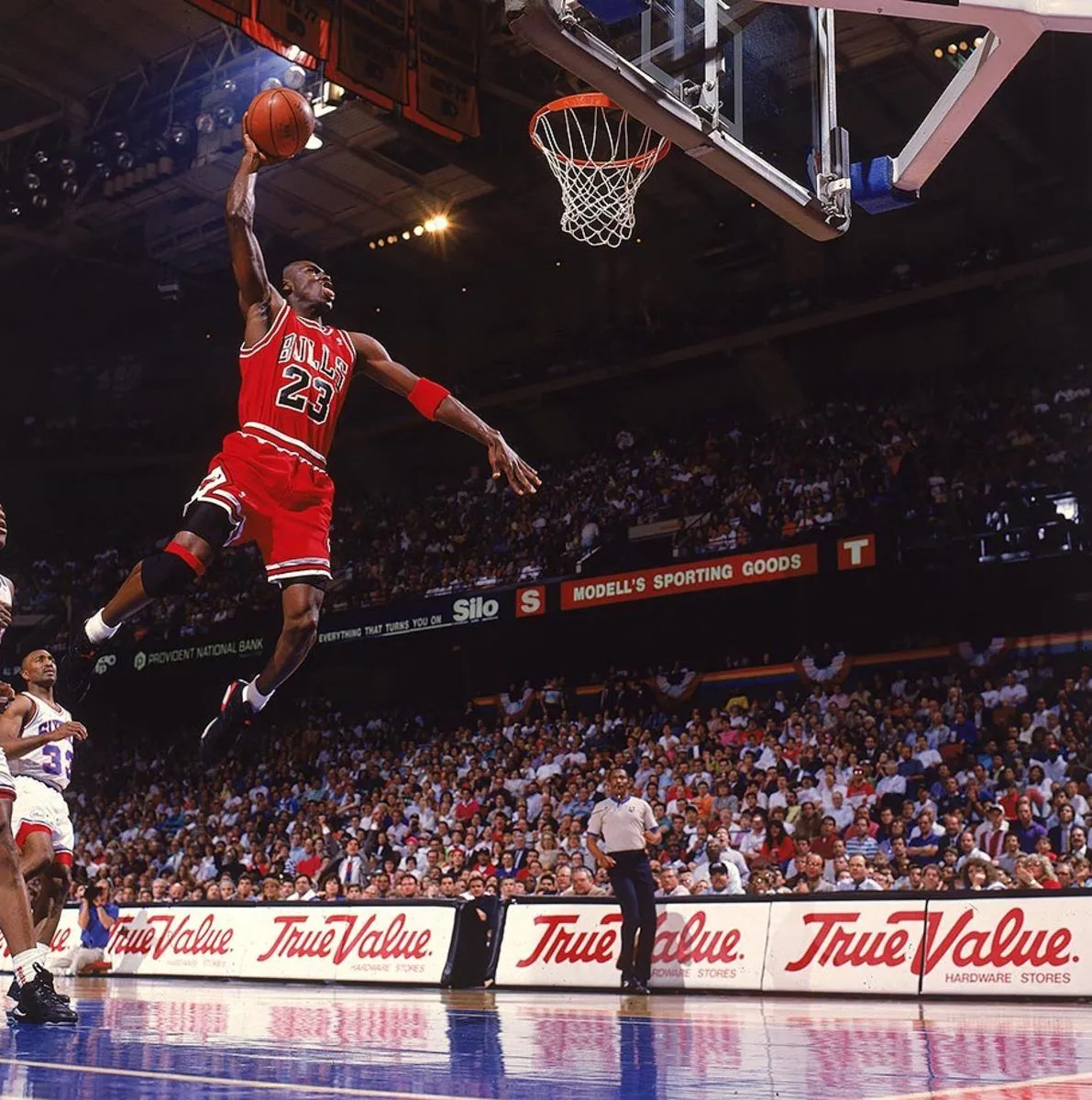 Photo: Michael Jordan, via www.si.com
Kobe Bryant was famously the first one in the gym on big game days — sometimes arriving hours before teammates, working through his shooting routine in an empty arena. In his memoir and various interviews, he described it as a way of taking ownership of the space before the chaos arrived. By the time the game started, he'd already been in that building for hours. It wasn't unfamiliar territory anymore. It was his.
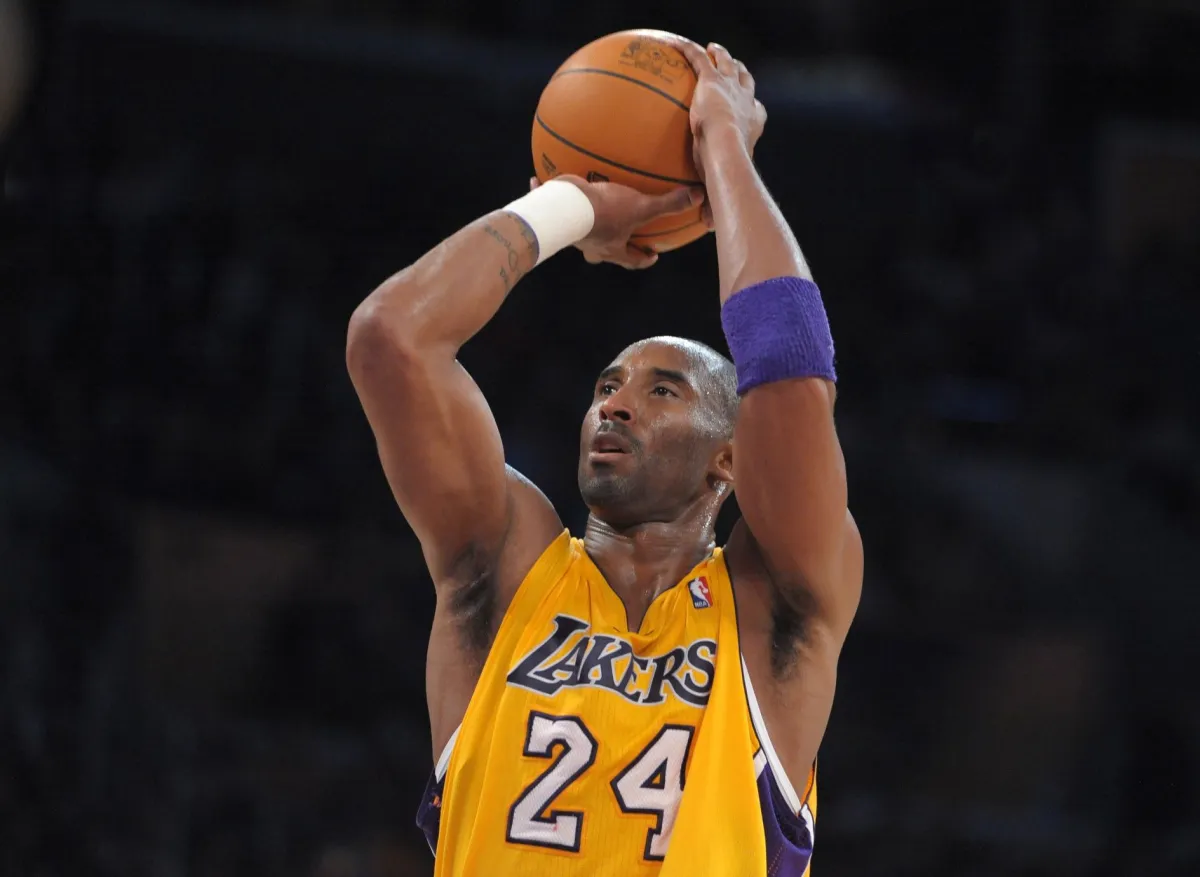 Photo: Kobe Bryant, via static0.thesportsterimages.com
The Waiting: Sport's Most Underrated Challenge
Here's what nobody tells you about championship day: the hardest part isn't the fourth quarter. It's the waiting.
Former NFL quarterback Peyton Manning spoke at length in various interviews about the mental discipline required to manage the hours between waking up and kickoff during Super Bowl weeks. The game is at night. You wake up at 7 a.m. You have roughly twelve hours of building anticipation before you can actually do anything about it. That's twelve hours for doubt, excitement, fear, and adrenaline to cycle through your body with nowhere to go.
Different athletes handle this differently. Some, like LeBron James, have described leaning heavily on music — building specific playlists for championship days that help regulate emotional intensity, bringing the energy up when needed and dialing it back when the nerves start to spike. Others go the opposite direction: former NBA champion Ray Allen was known for meticulous pre-game meditation routines, using stillness to create calm in the middle of the storm.
Then there's the nap. It has become almost legendary in basketball culture how many elite players swear by a pre-game sleep. LeBron has been open about his sleep habits being central to his performance — and on championship days, getting a couple of hours of rest in the afternoon isn't laziness. It's strategy. It resets the nervous system, reduces cortisol levels, and allows the body to be genuinely fresh when tip-off arrives.
Superstitions That Travel All the Way to the Biggest Stage
Championship day is also when athlete superstitions reach their most elaborate form.
Wade Boggs, the Hall of Fame third baseman, famously ate chicken before every game of his career — a habit that traveled with him all the way through World Series appearances. Jason Terry, the NBA champion and longtime NBA guard, had a ritual of sleeping in the shorts of whatever team he was about to face the night before a big game. The psychological logic, if there is any, seems to be about ownership — visualizing yourself in that competitive space before you physically arrive there.
Serena Williams, who has spoken candidly about her pre-match rituals in Grand Slam settings, was known to bounce her ball exactly five times before her first serve and twice before her second. In a Wimbledon final or a US Open championship match, with the weight of history pressing down on every point, those two bounces were a thread back to every practice session, every routine match, every moment of normalcy she'd ever had on a tennis court.
 Photo: Serena Williams, via r.testifier.nl
The rituals aren't really about luck. They're about identity. They're an athlete saying to themselves: I am still the same person who does these things. This moment doesn't change who I am.
The Locker Room in the Final Hour
Ask anyone who's been in a championship locker room in the final hour before the game, and they'll usually describe it the same way: surprisingly quiet.
There are exceptions — teams with designated hype men, coaches who deliver legendary speeches. But by and large, the final hour before a championship is deeply personal. Athletes have their headphones in. Some are staring at the floor. Some are in the training room getting taped up for the last time, exchanging a few quiet words with the athletic trainer who's been with them all season.
Former Super Bowl champion tight end Shannon Sharpe described the feeling in the locker room before a big game as a kind of controlled electricity — everyone vibrating at a high frequency but keeping it contained, saving it. The explosion of energy, he explained, was being deliberately held back, like water behind a dam. The game was the release valve.
And then the doors open, and the crowd hits you, and all that carefully managed energy finally has somewhere to go.
Championship sport is sold to us as the moment of action — the shot, the touchdown, the final whistle. But the hours before? That's where champions are really made.