The Quiet Earthquakes: Sporting Moments That Only Made Sense in Hindsight
Sports has a way of tricking you. The moments that feel enormous in real time — the walk-offs, the buzzer-beaters, the championship parades — sometimes fade into footnotes. And then there are the other moments. The quiet ones. The trades buried on page seven, the benching that barely made the injury report, the rookie who got twelve minutes of garbage time on a Tuesday night in November. Those are the ones that, years later, you look back at and think: that's where everything changed.
History doesn't always announce itself. Sometimes it just quietly slips in through the back door.
The Trade Nobody Took Seriously
Cast your mind back to February 2011. The Cleveland Cavaliers, still reeling from LeBron James leaving for Miami, were in full rebuild mode. Somewhere in the noise of that chaotic season, they acquired a pick swap and some roster shuffling that eventually landed them the first overall pick in the 2011 NBA Draft — the pick they used to select Kyrie Irving.
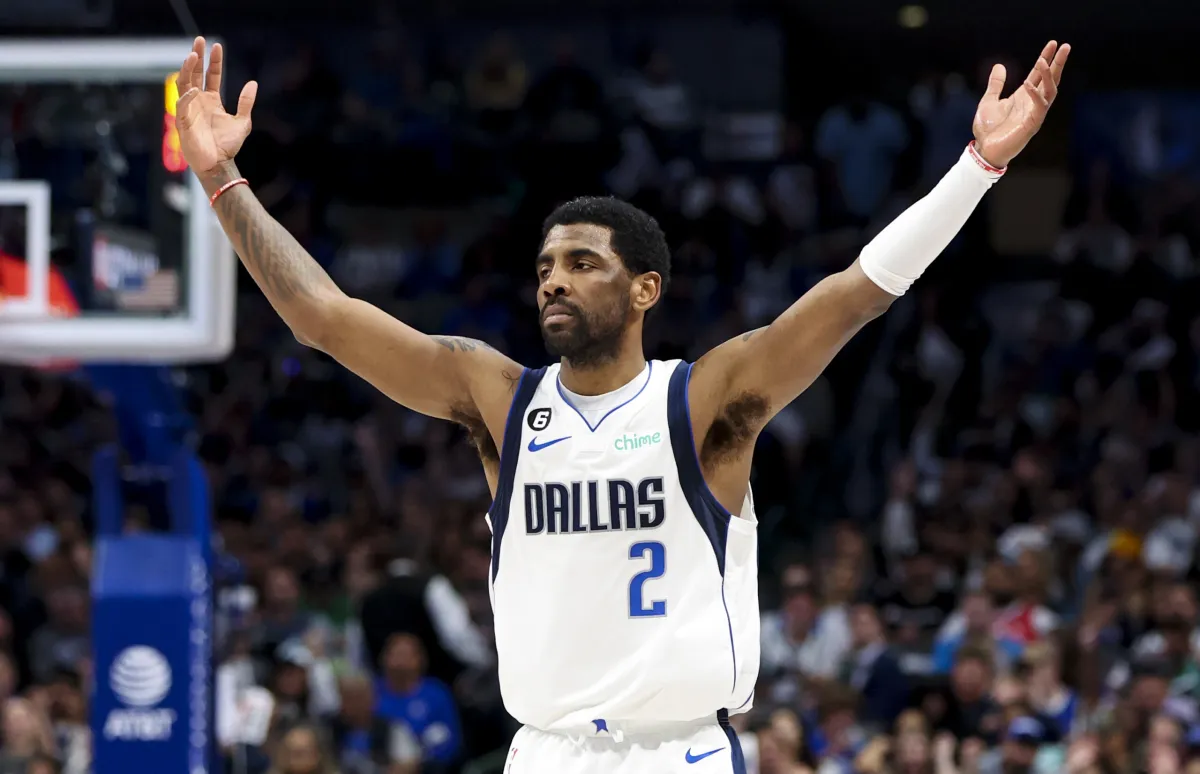 Photo: Kyrie Irving, via assets.dmagstatic.com
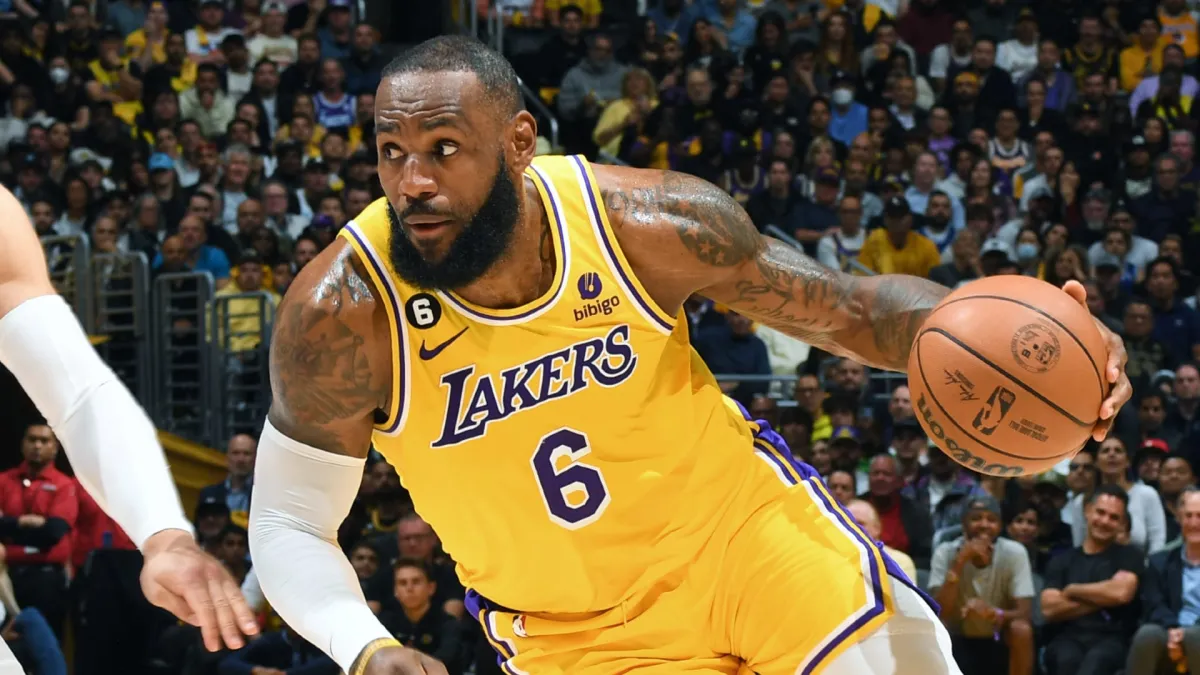 Photo: LeBron James, via cdn.nba.com
Nobody threw a parade for the trade when it happened. Cleveland was a franchise in freefall, and most basketball fans were focused on whether LeBron's Heat could win a title. But that quiet front-office maneuvering set the foundation for everything that followed — including the 2016 championship that remains one of the most stunning title runs in American sports history. You can't get to the Kyrie-LeBron reunion without the unglamorous, barely-noticed roster move that brought Irving to Cleveland in the first place.
The lesson? Sometimes the most important transaction of a franchise's decade looks, in the moment, like a salary dump.
The Benching That Built a Dynasty
In the 2014 NFL season, the San Francisco 49ers made a quarterback change that felt, at the time, like organizational chaos. Colin Kaepernick had taken the team to a Super Bowl just two seasons prior. And yet, midway through a struggling campaign, head coach Jim Harbaugh turned to Blaine Gabbert.
That wasn't the earthquake, though. The real tremor came quietly in the background: the dysfunction that surrounded that decision accelerated Harbaugh's departure from San Francisco, which eventually opened the door for Kyle Shanahan to rebuild the franchise from the ground up. The 49ers went through years of pain before emerging as one of the NFC's most dangerous teams in the late 2010s and into the 2020s.
The benching didn't look like the start of anything. It looked like the end of everything. In hindsight, it was the reset button the franchise didn't know it needed.
The Debut That Flew Past the Headlines
On October 29, 2003, a 19-year-old named LeBron James played his first NBA game for the Cleveland Cavaliers against the Sacramento Kings. He scored 25 points, handed out six assists, and grabbed nine rebounds. The performance was impressive enough to get attention — but the real magnitude of what was beginning didn't register fully until years later.
Sports media in 2003 was still largely print and cable television. The internet was young. The cultural machinery that now turns every LeBron moment into a global event simply didn't exist yet. That debut — the opening chapter of arguably the greatest individual career in NBA history — happened in relative quiet by modern standards.
Think about that for a second. The first game of a career that would span four decades, produce four championships across three franchises, and redefine what an NBA player could be in American culture... and it was just another Wednesday night box score for most people.
College Football's Invisible Crossroads
In 2008, the University of Alabama hired Nick Saban away from the NFL's Miami Dolphins. Saban had been a disappointment in pro football, going 15-17 over two seasons with Miami. The hire was greeted with cautious optimism in Tuscaloosa and mild skepticism everywhere else.
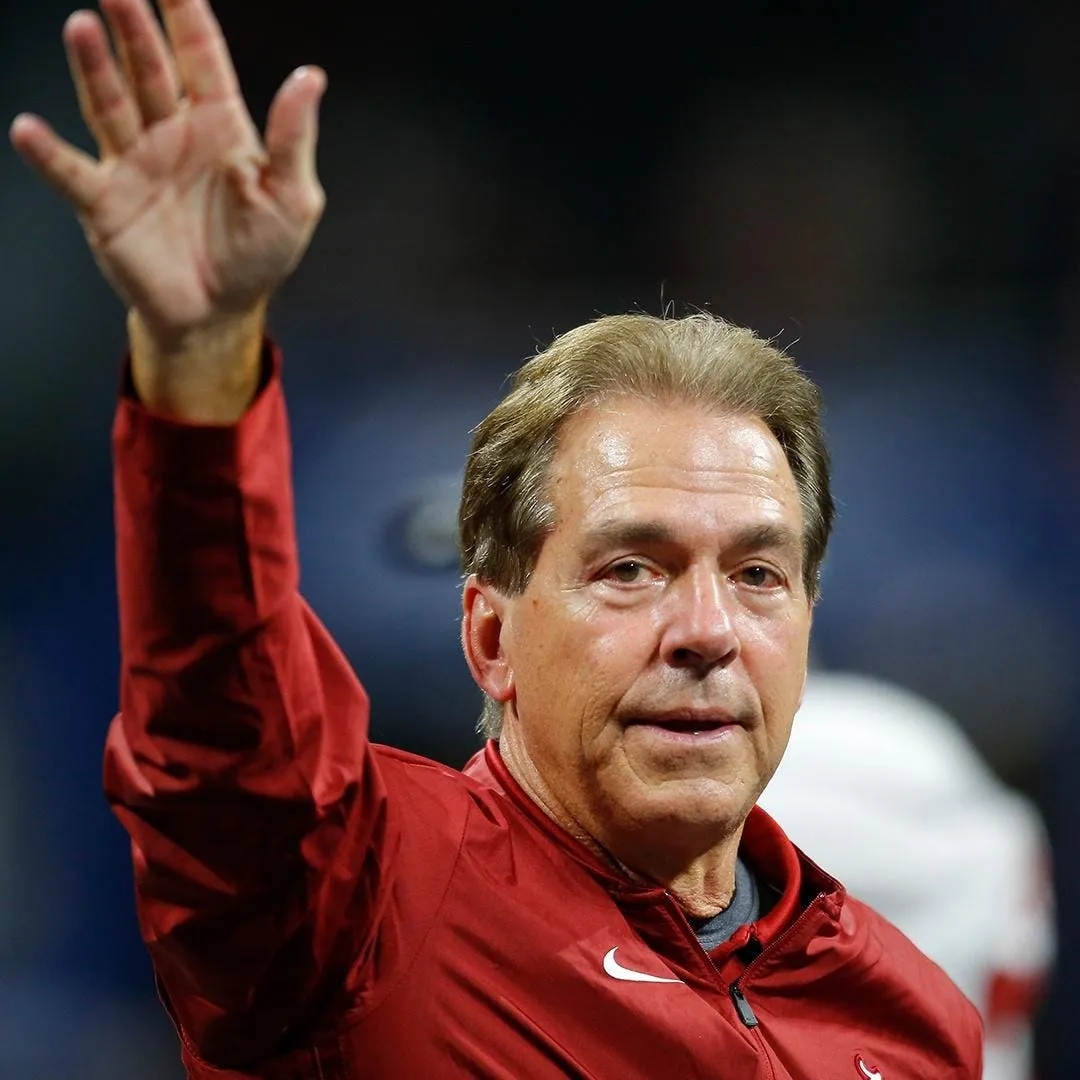 Photo: Nick Saban, via imageio.forbes.com
What followed was one of the most dominant coaching runs in the history of American sport. Six national championships. A recruiting pipeline that became the envy of every program in the country. A complete redefinition of what sustained excellence looks like at the college level.
But in January 2007, when Saban walked away from the Dolphins, nobody was writing think-pieces about the dawn of a new era in college football. They were mostly writing about what had gone wrong in Miami. The earthquake was already happening — it just hadn't registered on anyone's scale yet.
Why the Quiet Moments Hit Hardest
There's a reason these slow-burn turning points are so fascinating. In real time, sports gives us so much noise — injury updates, trade rumors, contract disputes, social media takes — that genuinely significant developments can get completely swallowed. We're wired to track the obvious drama, the big press conferences, the highlight-reel moments.
But franchise trajectories don't always shift at those pressure points. They shift when a 19-year-old gets his first start. When a benched quarterback's situation quietly poisons a locker room. When a front office makes a move that looks like it's about next week but is actually about next decade.
Zooming out — really zooming out — forces you to recalibrate what counts as a big moment. Sometimes the biggest moments in sports history are the ones that didn't even make the scroll.
And that, more than any buzzer-beater or championship trophy, is what makes sports genuinely endlessly fascinating. The story is always longer than the highlight reel suggests.