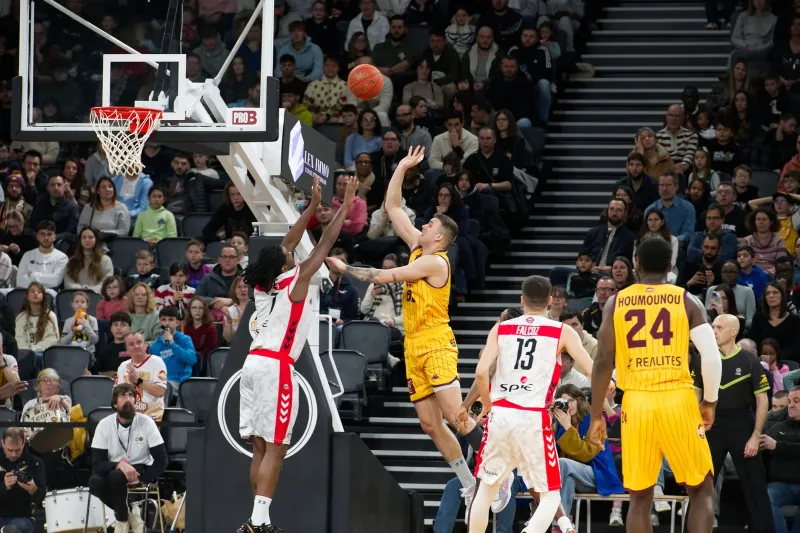
Electric Energy: The Players Who Turn Home Crowds Into Rocket Fuel
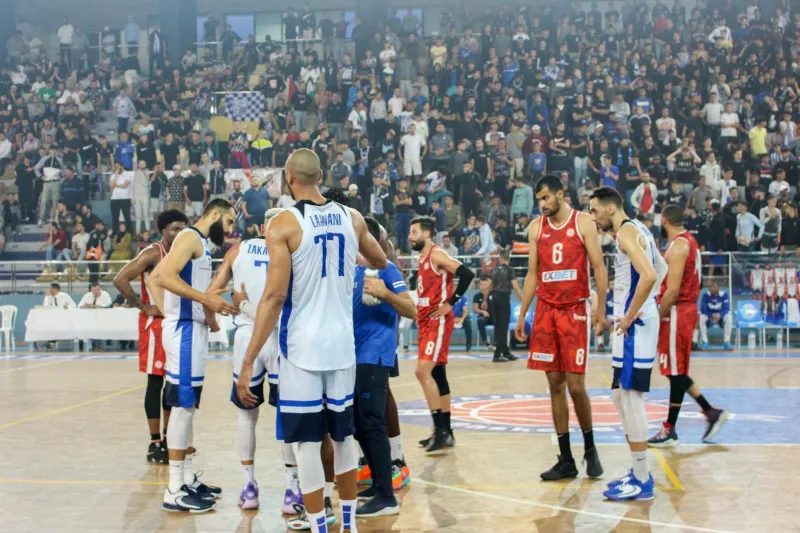
When the Building Becomes a Weapon
There's something magical about watching an athlete transform in front of their home crowd. The energy flows both ways—fans feed off great plays, and certain players seem to draw supernatural power from the noise surrounding them. These aren't just home-field advantages; they're full-blown superhero transformations.
The science behind crowd energy is real, but some players have figured out how to harness it better than anyone else. When the building starts shaking, these competitors don't just rise to the occasion—they become something entirely different.
Russell Westbrook: The Thunder Conductor
No player in recent memory understood crowd energy like Russell Westbrook during his Oklahoma City Thunder days. Chesapeake Energy Arena would reach deafening levels whenever Westbrook started his signature pre-game routine, and he'd feed off every single decibel.
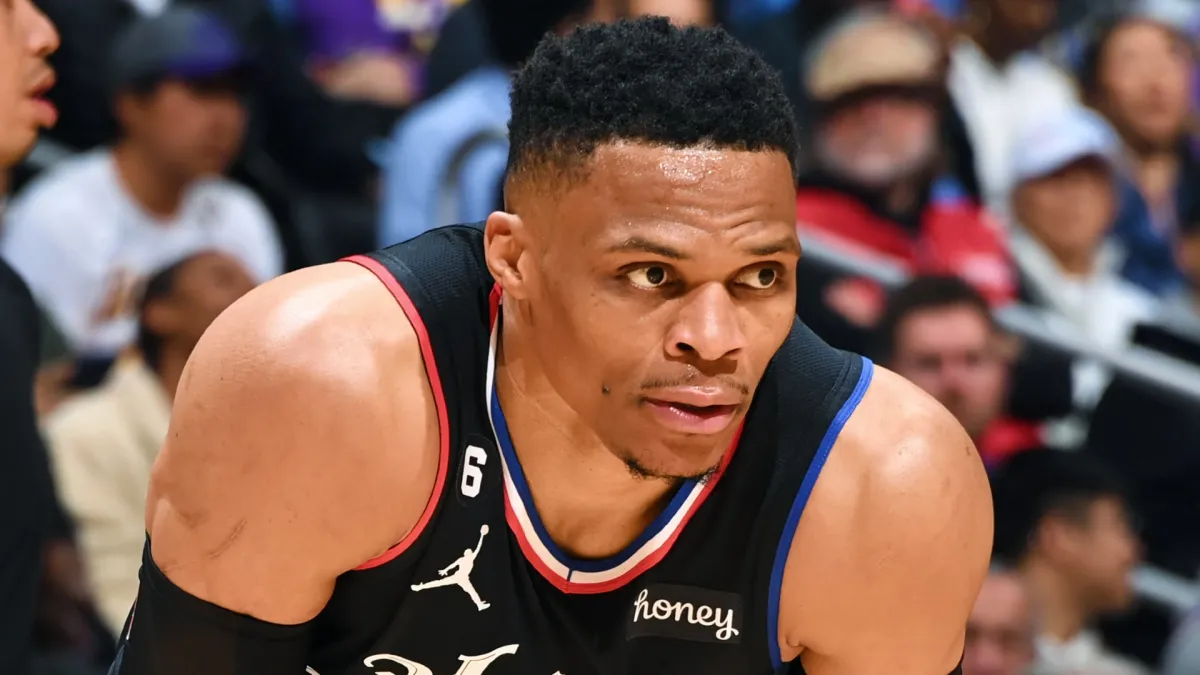 Photo: Russell Westbrook, via cdn.nba.com
Westbrook didn't just play in front of the crowd—he conducted them like a symphony. After monster dunks, he'd cup his ear to the stands, turning up the volume even higher. The louder they got, the more explosive his next play became. It was a feedback loop that turned regular season games into playoff atmospheres.
His triple-double season in 2017 was powered by this connection. Night after night, Thunder fans would rise to their feet as Westbrook chased history, and he'd respond with plays that seemed to defy physics. The crowd wasn't just watching greatness—they were actively participating in it.
Giannis: Making Milwaukee Shake
Giannis Antetokounmpo turned Milwaukee's Fiserv Forum into one of the most intimidating venues in basketball, largely through his ability to weaponize crowd energy. During the Bucks' championship run, Giannis would flex after big plays and the entire building would erupt.
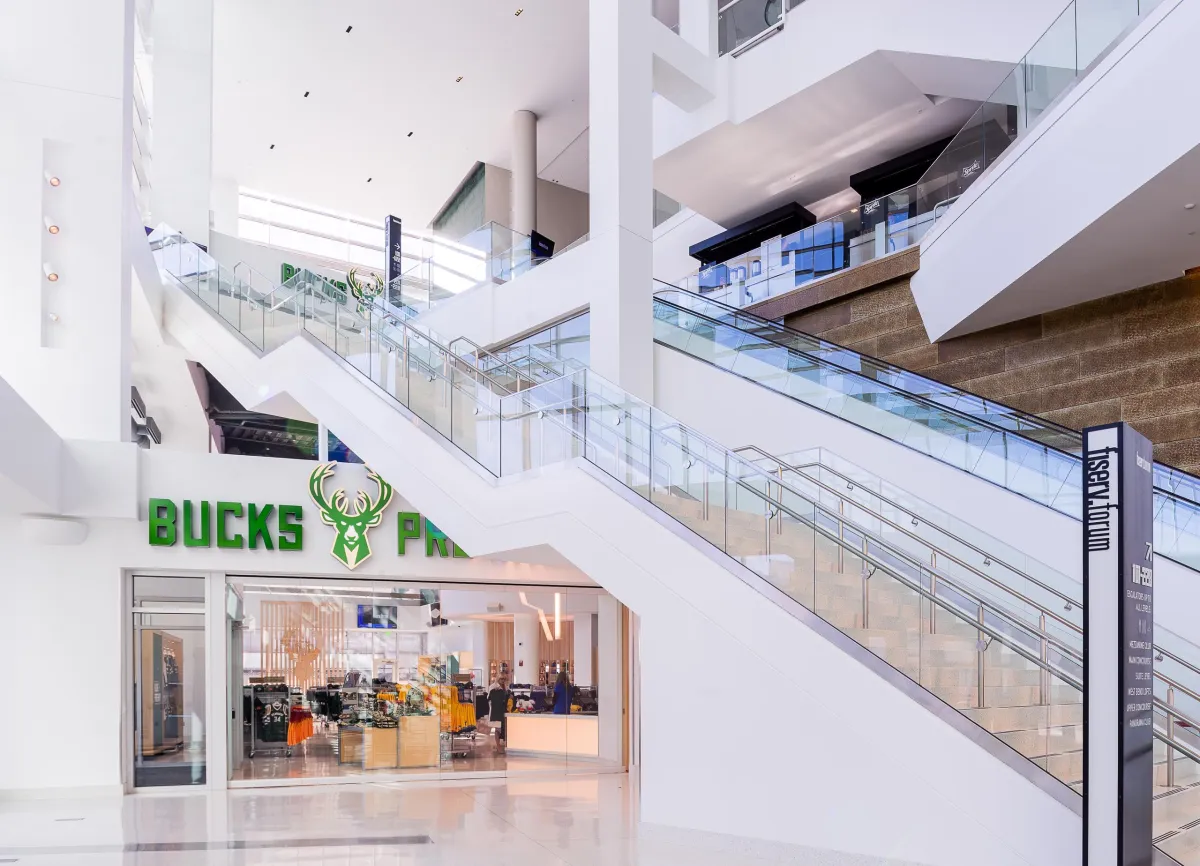 Photo: Fiserv Forum, via www.sightlinecommercial.com
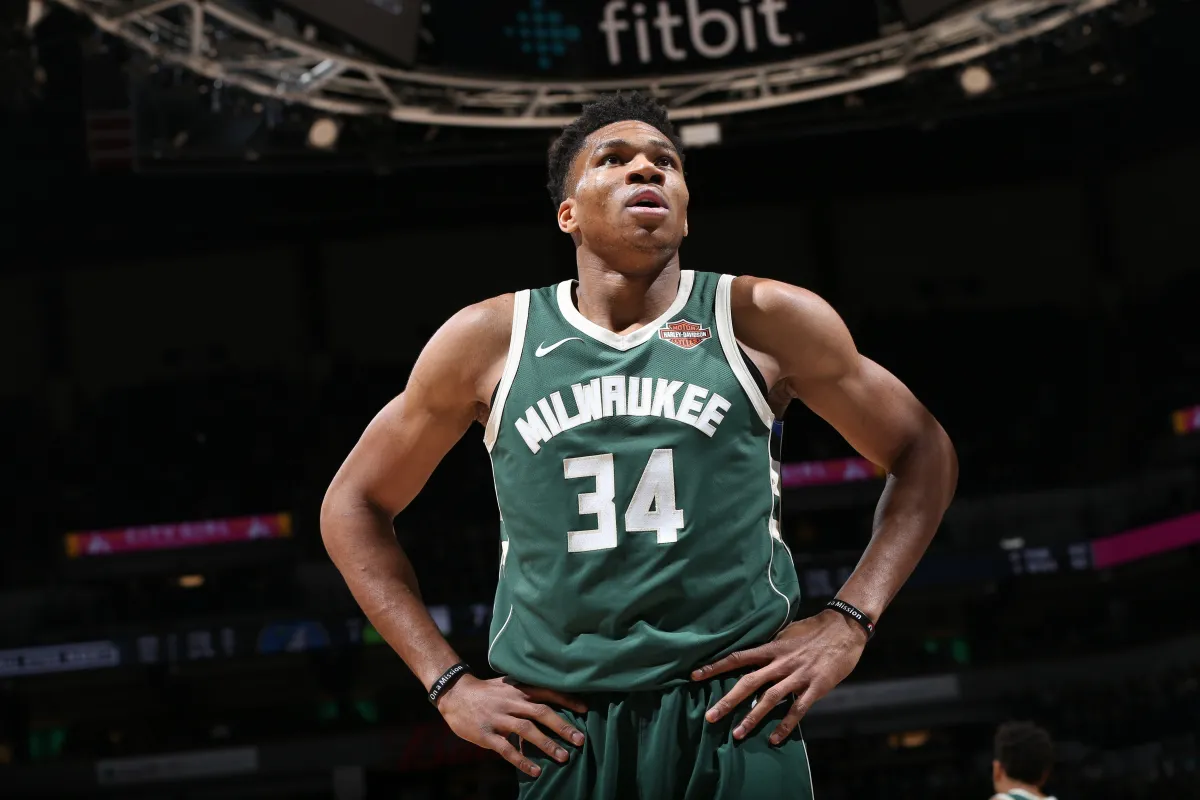 Photo: Giannis Antetokounmpo, via images.hdqwalls.com
What made Giannis special wasn't just his athletic ability—it was how he made 17,000 people feel like they were part of something historic. His blocks would send the crowd into a frenzy, which would fuel his next defensive stop, which would create even more noise. By the fourth quarter, opposing teams weren't just playing the Bucks—they were playing an entire city.
The 2021 Finals showcased this perfectly. Game 6 against Phoenix felt like the building might actually collapse from the noise level. Giannis fed off that energy to deliver a 50-point closeout performance that will be remembered forever.
The Football Phenomenon
Football creates a different kind of crowd energy, and certain quarterbacks have mastered the art of using it as a weapon. Aaron Rodgers at Lambeau Field becomes a different player when 80,000 Packers fans start the "Go Pack Go" chant.
Rodgers has perfected the silent count and crowd manipulation better than almost anyone. He'll deliberately let the noise build, then motion to the crowd to get even louder before snapping the ball. When the opposing offense takes the field, that same crowd becomes their worst nightmare.
Drew Brees understood this dynamic perfectly during his Saints tenure. The Superdome would reach earthquake levels during crucial moments, and Brees seemed to draw accuracy and arm strength directly from the noise. His completion percentage at home was consistently higher than on the road, and it wasn't just coincidence.
Combat Sports: Where Crowds Become Cornermen
Mixed martial arts creates the most intimate crowd-fighter relationship in sports. When a local fighter competes in their hometown, the energy becomes almost tangible. Fighters like Jorge Masvidal in Miami or Conor McGregor in Dublin have shown how crowd support can literally change the outcome of fights.
The crowd becomes an extra cornerman, providing energy during exhausting later rounds when fighters are running on fumes. You can see it in their body language—fighters stand straighter, throw harder punches, and push through fatigue that might have stopped them in a neutral venue.
Nate Diaz perfectly captured this phenomenon: "The crowd gives me energy. When they're loud, I feel like I can fight forever." It's not just psychological—the adrenaline rush from crowd support provides real physical benefits.
The Science of Sound
Sports psychologists have studied this phenomenon extensively. Crowd noise triggers the release of adrenaline and endorphins, creating a natural performance enhancement. But not every athlete can harness this energy effectively—some get overwhelmed by the pressure.
The players who thrive in these situations share certain traits. They're natural performers who feed off attention rather than shrink from it. They've learned to use crowd energy as fuel instead of letting it become a distraction.
Most importantly, they understand that crowd support is earned, not given. These players consistently deliver moments that give fans reasons to explode, creating a cycle where great plays lead to louder crowds, which inspire even greater plays.
Building the Connection
The best crowd-energy players don't just acknowledge their fans—they actively cultivate relationships with them. They understand that each building has its own personality and rhythm. They learn what gets their particular crowd going and when to push those buttons.
This connection goes beyond individual games. When players consistently deliver in big moments at home, they build trust with their fan base. Fans start expecting magic, and that expectation becomes a powerful force that opposing teams can feel.
The Ultimate Home-Field Advantage
In an era where athletes are more skilled and physically prepared than ever, the ability to harness crowd energy represents one of the last true competitive advantages. You can't teach it in practice or replicate it in training—it only happens when thousands of people are screaming and everything is on the line.
The players who master this skill become legends in their home cities. They create moments that fans remember forever, turning regular season games into the stuff of sports mythology. When the building is rocking and the crowd is on its feet, these athletes don't just play better—they become superhuman.