The New Rules of Fandom: Why American Sports Loyalty Isn't What It Used to Be
The New Rules of Fandom: Why American Sports Loyalty Isn't What It Used to Be
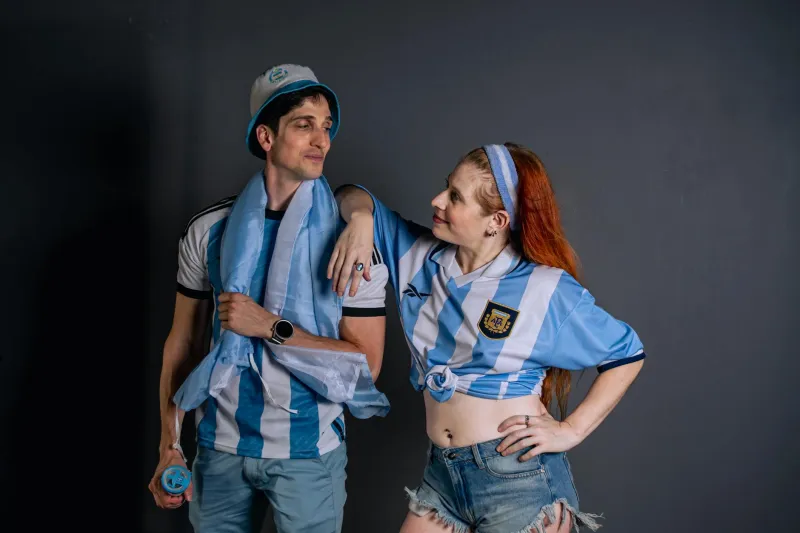
Remember when being a sports fan was simple? You picked a team, usually based on geography or family tradition, and stuck with them through thick and thin. Players stayed put for entire careers, fans bought season tickets that got passed down through generations, and loyalty was a badge of honor worn by both athletes and supporters.
Those days are officially over.
Today's sports landscape has fundamentally changed the rules of engagement between fans, players, and teams. And honestly? It might be time to admit that's not entirely a bad thing.
The Kevin Durant Effect
Nothing symbolizes the new era of sports loyalty quite like Kevin Durant's career trajectory. Golden State to Brooklyn to Phoenix, with each move sparking massive debates about competitiveness, loyalty, and what fans deserve from their favorite players.
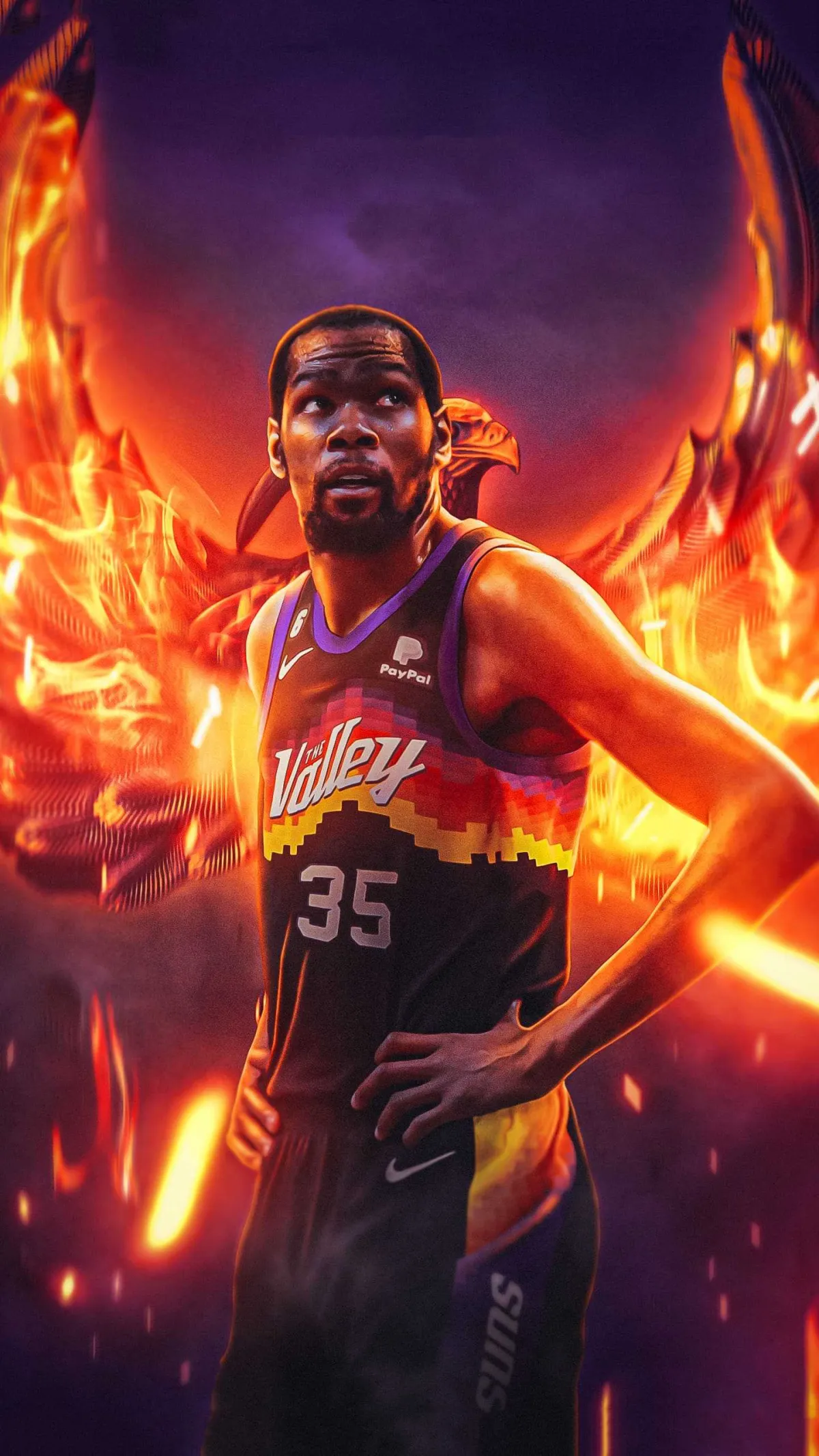 Photo: Kevin Durant, via www.ixpap.com
But here's what's fascinating: Durant's moves also revealed how differently modern fans think about loyalty. While older generations viewed his departures as betrayals, younger fans increasingly saw them as smart business decisions. Why should a player sacrifice his career goals for the emotional comfort of fans he's never met?
This generational divide cuts to the heart of how American sports fandom is evolving. Millennials and Gen Z fans grew up watching free agency, trades, and constant roster turnover. To them, player movement isn't a violation of some sacred code — it's just how professional sports work.
The NIL Revolution
College sports used to be the last bastion of "pure" competition, where athletes played for school pride rather than paychecks. Then NIL (Name, Image, Likeness) deals arrived and changed everything overnight.
Sudenly, that star quarterback wasn't just representing State University — he was also a brand ambassador for local car dealerships and national clothing companies. The transfer portal opened up, and elite athletes started switching schools like they were changing majors.
Fans had to grapple with a completely new reality: their favorite college player might leave for a better NIL deal at a rival school. Some traditionalists were outraged, but others adapted quickly. If universities were making millions off these athletes, why shouldn't the players get their cut?
The Social Media Factor
Social media has completely transformed the athlete-fan relationship, and not always in ways that strengthen loyalty. Players can now speak directly to fans, bypassing traditional media filters. This creates incredible intimacy — you can literally see what your favorite player had for breakfast — but it also exposes personality conflicts that might have stayed hidden in previous eras.
When a player tweets something controversial or gets into Twitter beef with fans, it forces supporters to confront uncomfortable questions about separating athletic performance from personal character. Some fans double down on their loyalty, while others feel betrayed by discovering their hero isn't who they thought he was.
The result is a more complicated but arguably more honest relationship between athletes and their supporters.
Market-Driven Loyalty
Perhaps the biggest shift is how economic realities have changed both player and fan behavior. In previous generations, teams could afford to keep star players for entire careers. Today's salary caps, luxury taxes, and revenue structures make long-term roster stability nearly impossible.
Fans are adapting by becoming more transactional in their loyalties. They might follow a player from team to team, or they might focus on supporting whatever roster their favorite franchise can afford to assemble each season. Neither approach is wrong — they're just different responses to modern economic realities.
Some cities have embraced this new dynamic better than others. Miami Heat fans, for example, seem perfectly comfortable with the idea that stars might come and go, as long as the organization maintains its competitive culture. Meanwhile, smaller markets struggle with the reality that they can't compete financially for top talent.
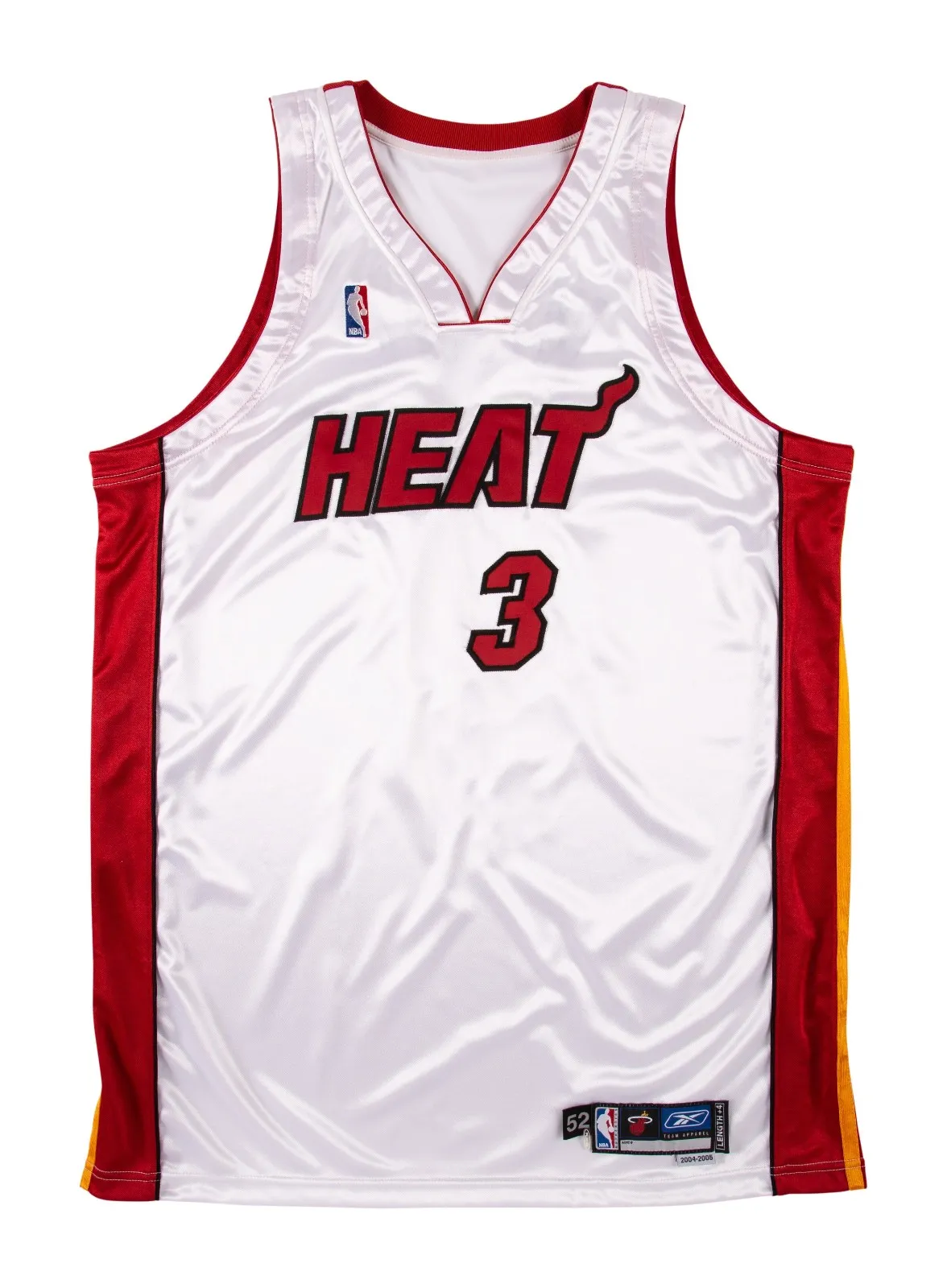 Photo: Miami Heat, via basketballjerseyarchive.com
The Streaming Generation
Younger fans also consume sports completely differently than previous generations. They're not tied to local TV broadcasts or regional sports networks. They can follow any team, any player, any league from anywhere in the world.
This global accessibility has created more fluid fan loyalties. A kid in Kansas might become a Lakers fan because of LeBron, then switch allegiance to whatever team drafts his favorite college player. Geographic loyalty matters less when you're watching games on your phone anyway.
The Authenticity Question
Modern fans increasingly value authenticity over blind loyalty. They want to support athletes and organizations that align with their personal values, not just their hometown geography. This has led to some fascinating dynamics where fans will abandon teams over ownership decisions or social justice stances.
The Washington Commanders' name change controversy perfectly illustrated this tension. Some longtime fans felt betrayed by the organization's decision to abandon tradition, while others felt betrayed that it took so long to make the change. Both groups were expressing legitimate forms of loyalty — just to different values.
 Photo: Washington Commanders, via wallpapers.com
What This Means for the Future
The new rules of sports fandom aren't necessarily better or worse than the old ones — they're just different. Modern fans have more choices, more information, and more ways to express their support. They also have less patience for blind loyalty that doesn't serve their interests.
This evolution reflects broader cultural changes about how Americans think about loyalty in general. In an era where people change jobs frequently, move cities regularly, and maintain relationships across vast distances, why would sports fandom be any different?
The most successful teams and leagues are adapting by focusing on creating value for fans rather than demanding unconditional loyalty. They're building cultures and experiences that make people want to stay engaged, rather than assuming geography or tradition will be enough.
Embracing the Complexity
Maybe it's time to stop mourning the "good old days" of sports loyalty and start appreciating the complexity of modern fandom. Today's fans might be more demanding, but they're also more engaged. They might switch allegiances more frequently, but they're also more informed about the business and social aspects of sports.
The relationship between fans, players, and teams has become more honest, even if it's less predictable. And in a world where everything else is changing rapidly, perhaps sports fandom is simply catching up to reality.
After all, loyalty that has to be earned might be more valuable than loyalty that's simply expected.