Next Man Up: When NFL Backups Became the Main Character
The Call That Changes Everything
It usually starts with a phone call on a Tuesday morning, or a tap on the shoulder during a team meeting. The starter is hurt, or struggling, or both. Suddenly, the guy who's been holding a clipboard for months becomes the most important person in a billion-dollar organization.
The NFL backup quarterback occupies a unique space in American sports. Unlike other positions where substitutions feel routine, a QB change shifts everything — offensive schemes, team chemistry, fan expectations, and sometimes entire franchises' futures.
When Lightning Strikes Twice
Nick Foles' 2017 season remains the gold standard for backup quarterback magic. When Carson Wentz went down with an ACL injury in December, Eagles fans prepared for disappointment. Instead, Foles caught fire at exactly the right moment, throwing for 971 yards and six touchdowns in three playoff games before delivering a Super Bowl victory that still feels impossible.
 Photo: Super Bowl, via puns.co
What made Foles' run so captivating wasn't just the unexpected success — it was watching a journeyman quarterback discover superpowers he didn't know he possessed. The same player who'd bounced between teams suddenly looked like Joe Montana in the biggest moments. That's the backup quarterback dream: not just stepping in, but stepping up.
Tom Brady's origin story follows a similar script, though it unfolded over an entire season rather than a playoff run. When Drew Bledsoe suffered a life-threatening injury in 2001, Brady wasn't supposed to be anything more than a temporary solution. Twenty years and seven Super Bowl rings later, that injury looks like the most important moment in NFL history.
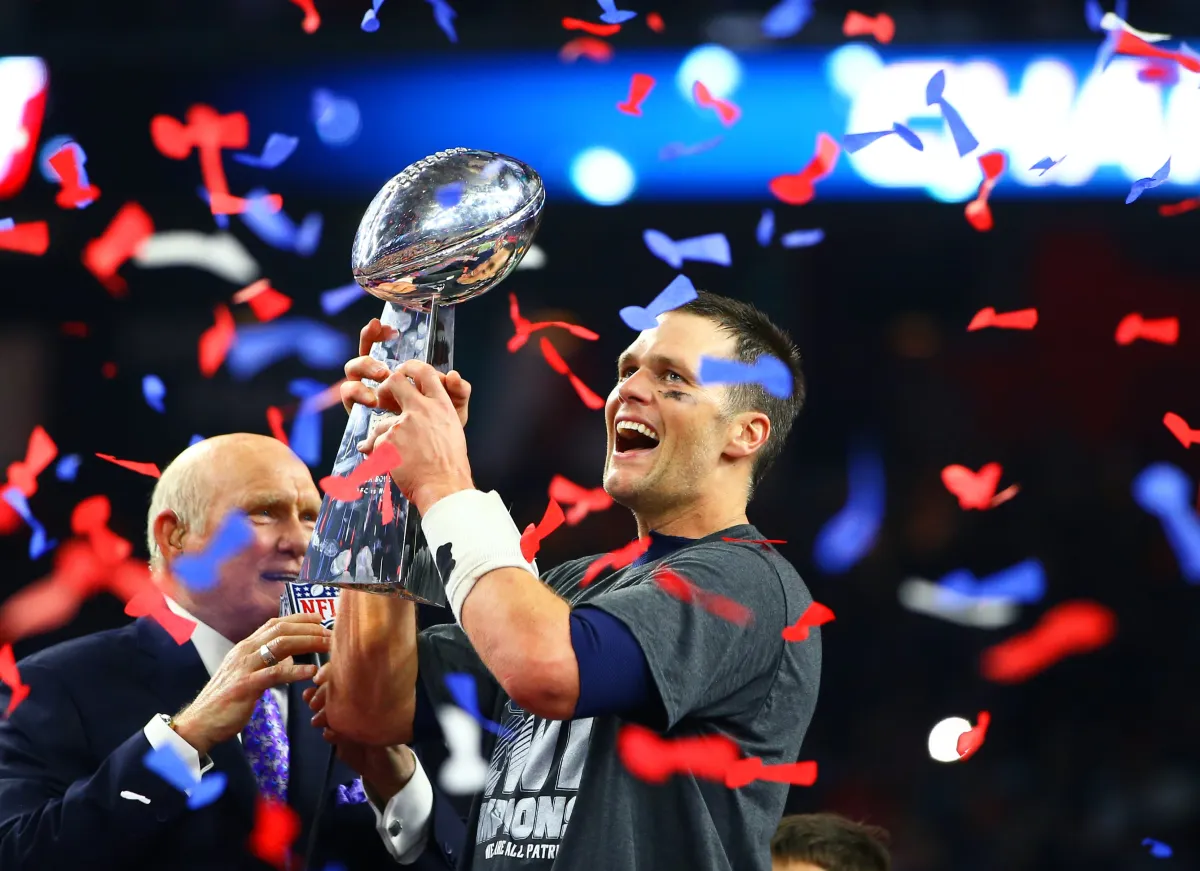 Photo: Tom Brady, via cdn.theathletic.com
The Pressure Cooker Position
What separates quarterback from every other position is the weight of responsibility. When a backup linebacker enters the game, fans barely notice. When the backup quarterback takes the field, everyone in the stadium knows the season just took a dramatic turn.
Ryan Fitzpatrick built an entire career around mastering this pressure. "FitzMagic" became a phenomenon because he understood something crucial: backup quarterbacks don't need to be perfect, they need to be fearless. His willingness to throw into tight windows and take calculated risks made him must-watch television, even when it didn't always work.
The mental aspect separates great backup stories from cautionary tales. These players spend months preparing for a moment they hope never comes. When it does, they have to flip a switch from observer to leader, often with minimal practice time and maximum scrutiny.
The Unexpected Heroes Club
Some backup quarterback stories become folklore because they arrive at perfect moments. Jeff Hostetler didn't just replace an injured Phil Simms in 1990 — he led the Giants to a Super Bowl victory that required beating Joe Montana in the NFC Championship. That's not just good timing; that's destiny wearing a backup's jersey.
Douglas Flutie's brief renaissance in Buffalo captured imaginations because it felt like pure nostalgia come to life. The former Heisman winner, thought to be too small for NFL success, suddenly looked like a magician at age 36. His drop-kick extra point in his final game became an instant classic, the perfect ending to an improbable chapter.
Even failed backup stories often become compelling. Tim Tebow's 2011 season with Denver was objectively messy football, but it created some of the most electric moments in recent NFL history. His overtime touchdown pass against Pittsburgh in the playoffs proved that sometimes the story matters more than the statistics.
Why We Love the Underdog
Backup quarterback success stories tap into something fundamental about American sports culture: the belief that anyone can become the hero if they're ready when opportunity knocks. These players embody the "next man up" mentality that coaches preach but fans rarely see in such dramatic fashion.
There's also something pure about watching a backup quarterback succeed. They're not dealing with massive contracts, endorsement pressures, or Hall of Fame expectations. They're just trying to help their team win, which makes their success feel more authentic and relatable.
Gardner Minshew's brief stardom in Jacksonville exemplified this perfectly. His mustache, headband, and gunslinger mentality made him an instant fan favorite not because he was the best quarterback in the league, but because he looked like he was having the time of his life playing NFL football.
The Modern Backup Revolution
Today's NFL has changed how teams think about backup quarterbacks. The league's emphasis on protecting starting quarterbacks means backups see more action than ever, either through injury or strategic rest. This has created a new category of player: the super-backup.
Jalen Hurts transformed from Alabama backup to Eagles starter by embracing this evolution. His college experience behind Tua Tagovailoa taught him patience and preparation. When his NFL opportunity arrived, he was ready to be more than a temporary solution.
The playoff format has also elevated backup quarterback moments. Single-elimination games amplify every decision, turning backup appearances into instant classics or heartbreaking near-misses.
The Ultimate Wild Card
What makes backup quarterback stories so compelling is their unpredictability. Front offices can scout college players for years, analyze every throw, and project future success. But they can't predict how a backup will respond when the lights get brightest.
That uncertainty creates the NFL's most dramatic narratives. Every backup quarterback carries the potential to become a legend or a cautionary tale, often decided by a single throw or one crucial decision. In a league obsessed with analytics and predictability, the backup quarterback remains beautifully human — capable of magic, mistakes, and everything in between.
When that phone call comes, when the coach points to the backup and says "you're in," anything can happen. That's not just good football — that's great theater, starring the guy who wasn't supposed to be the star.