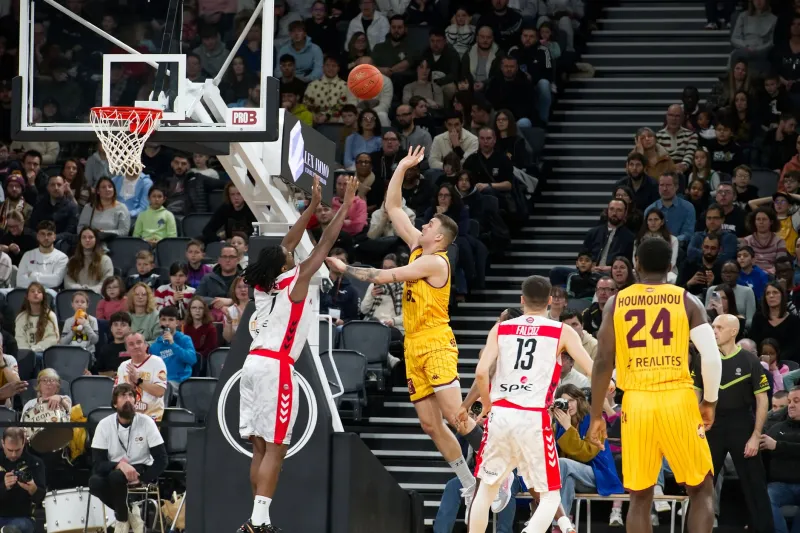
Same Player, Different Planet: The Athletes Who Completely Transform Based on Where They're Playing
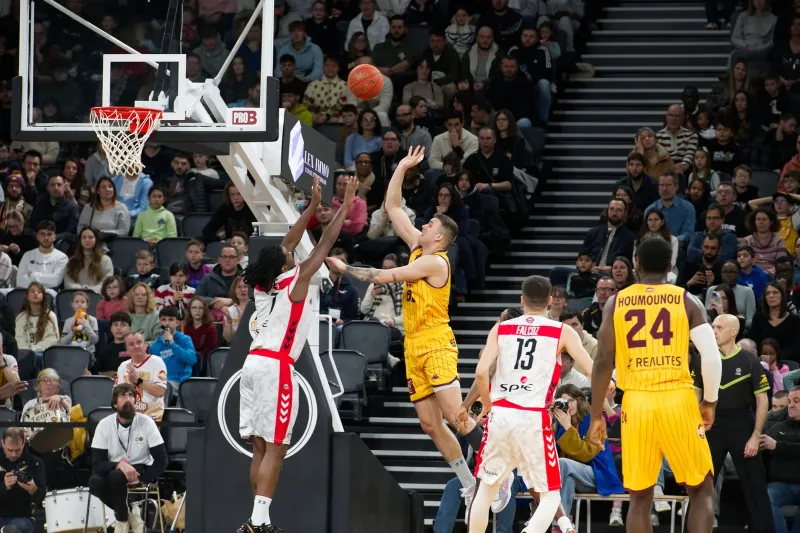
Same Player, Different Planet: The Athletes Who Completely Transform Based on Where They're Playing
Every sports fan has had the experience. You're watching a player who looks absolutely dominant week after week on home turf — unstoppable, confident, making everything look easy. Then the team hits the road, and suddenly that same player looks like they've never played the sport before. Different body language. Different decision-making. Different results. Same jersey, completely different athlete.
It goes the other way, too. Some players are mysteriously better away from home, feeding off hostility like it's rocket fuel. They play looser on the road, with nothing to lose and everything to prove, and they tend to make opposing fans regret showing up.
So what's actually going on here? Let's dig into one of sport's most entertaining and genuinely puzzling phenomena.
The Home Crowd Effect Is Real — But It Cuts Both Ways
Let's start with the obvious: crowd energy matters. When twenty thousand people are cheering your name, it does something to your nervous system. Your confidence goes up, your risk tolerance increases, and you play with a kind of freedom that's hard to manufacture in a quiet gym. This is why home-court and home-field advantages are statistically real across basketball, football, and baseball — not massive, but consistent and measurable over large sample sizes.
But here's the twist: that same crowd can become a weight rather than a fuel source. Some athletes — particularly younger players or those going through rough stretches — feel the home crowd's expectations as pressure rather than support. The fans who showed up to cheer suddenly feel like judges, and that shift in perception changes everything about how a player competes.
In the NBA, you can almost see it happen in real time. A home crowd goes quiet after a couple of turnovers, and certain players seem to physically shrink. Their shot selection gets conservative. They start looking for the safe play instead of the right play. The crowd that was supposed to be a boost has become a burden.
On the road, that same player might actually relax. Nobody expects anything from them. The hostile crowd is white noise rather than pressure. And sometimes that freedom produces the best basketball of their season.
The Road Warriors: Players Who Come Alive in Enemy Territory
There's a specific type of athlete that every sport produces: the one who genuinely plays better with an entire arena against them. In basketball, these are the players who hit a big shot and immediately stare down the crowd, feeding off the boos like they're applause. In football, they're the quarterbacks who seem to make their best throws when the noise is loudest and the situation is most desperate.
What makes a road warrior? Part of it is personality — some competitors are genuinely wired to be motivated by disrespect and hostility. They need the friction. Home games, where the crowd is already on their side, don't provide the same psychological trigger.
Part of it is also freedom from expectation. When you're in someone else's building, you're not carrying the weight of what the home fans need from you. You can play with pure aggression because there's nothing to protect. The worst outcome — losing — is already priced in.
Baseball produces some of the most dramatic examples of this. Certain hitters have career numbers at specific road ballparks that are almost inexplicably better than their home splits. Some of it is park dimensions and conditions. But a chunk of it is mental — they've built a personal mythology around that stadium, and they walk in there expecting to do damage.
The Home Comforts: Stars Who Mysteriously Disappear on the Road
On the flip side, the sports world has a long and occasionally painful history of players who are virtually unguardable at home and somehow very guardable the moment they hit the road.
In the NBA, this pattern shows up enough to have become a genuine talking point among scouts and front offices. A player's home numbers look like an All-Star. Their road numbers look like a solid rotation guy. Same team, same offense, same coaches. The only variable is the zip code.
Some of this is explainable. Road schedules are physically harder — more travel, worse sleep, less familiar routines. Teams that rely heavily on crowd energy for defensive intensity can look genuinely flat in quiet road environments. These are real factors.
But there's also a mental component that's harder to quantify. Some players draw enormous confidence from their home environment — the familiar arena, the supportive crowd, the sense of ownership that comes from being on your own court. Strip that away, put them in a hostile building where they're hearing it from every corner, and their game changes in ways that go beyond fatigue or routine disruption.
In college football, the home-road split can be even more dramatic. Quarterbacks who look like Heisman candidates in front of their own fans sometimes struggle to replicate that performance in a hostile conference road environment where the crowd noise makes communication almost impossible and every mistake gets amplified by seventy thousand people who are absolutely delighted to watch you fail.
Why History With a Venue Changes Everything
Here's an underrated factor in the home-away phenomenon: personal history with a specific location. Athletes carry memories into arenas and stadiums, and those memories shape how they compete.
If a player had a career-defining performance in a particular building three years ago, they often walk back in there with a subconscious belief that it's their place. They've done it before. The court or field feels familiar in a way that goes beyond physical dimensions — it feels like a place where good things happen to them.
The opposite is equally true. A player who had a brutal night in a specific arena — a playoff elimination, a career-worst shooting performance, a moment that still lives on social media — carries that experience back in with them. It might not be conscious, but it shapes their body language from warmups onward.
Some of the most compelling matchups in basketball and baseball involve watching whether a player can shake a bad history with a venue or whether the building owns them again. That psychological subplot is often more interesting than the box score.
The Players Who Just Don't Care About the Zip Code
And then there's the rarest category: the athletes who are genuinely, consistently themselves regardless of where the game is being played. Same preparation. Same aggression. Same results, regardless of whether the crowd is cheering or booing.
These are the players who tend to win the biggest games, because the biggest games are almost always played in environments that are designed to make you uncomfortable. When everything is on the line and the road environment is at its most hostile, the players who don't need the crowd to perform have an enormous advantage over the ones who do.
They're not superhuman. They've just figured out — through experience or temperament or both — that the noise is irrelevant information. The game is the same game, the ball is the same ball, and the job is the same job, regardless of which city they're in.
That quality, more than athleticism or skill or any measurable physical attribute, might be the most underrated separator between good athletes and great ones. And it's one of the most fun things to watch for once you know it's there.