Sixty Seconds of Chaos: The Minute That Turned a Blowout Into a Heart-Attack Finish
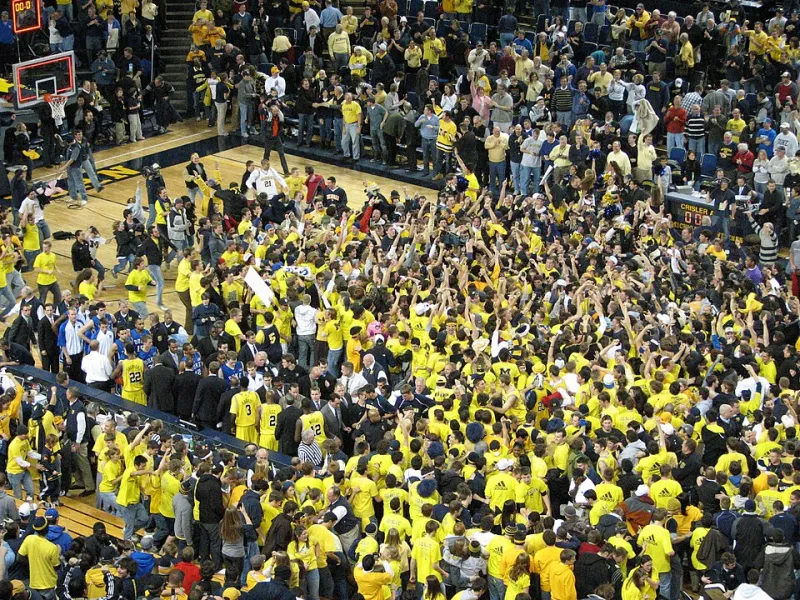
Photo: flickr user gleηη, CC BY-SA 2.0, via Wikimedia Commons
The Score Said It Was Over. The Game Disagreed.
With just over three minutes left, the home crowd was already shuffling toward the exits. The lead sat comfortably in the high teens, the stars had their stat lines, and the broadcast had started its feel-good postgame interview. Then came the minute.
One minute of game time. Sixty seconds on the clock. And by the time the horn stopped that stretch, the building was shaking and nobody in the stands could remember why they'd packed up early.
Turnover, Three, Turnover, Three
It started with a steal that shouldn't have happened. The ball handler got a little too casual with the dribble near halfcourt, and suddenly the deficit was single digits for the first time in what felt like hours. The crowd — half of whom had one foot out the door — sat right back down.
Fifteen seconds later, a corner three. Now it's a two-possession game and the visiting bench is standing up in unison, arms crossed, suddenly very interested.
Then came the panic. The team with the lead stopped attacking. They started dribbling toward the sideline like the ball was a hot potato, hunting for someone else to make the decision. Two more turnovers followed — one on a lazy cross-court pass, one on a botched inbound with no timeout left to burn.
The Free Throw Problem Nobody Talks About
Here's the part casual fans feel in their stomach but rarely hear explained: when a big lead starts melting, the issue usually isn't the defense. It's the free throws.
During that fateful minute, the leading team went to the line twice and split both trips. Two of four. In a game that ended with a one-possession margin, those misses are the whole story. Meanwhile, the comeback squad was burying contested threes like they were layups — the kind of shooting stretch that has no business happening, except it always does when the pressure flips sides.
Why the Other Team Never Called a Timeout
The most debated moment of the sequence: the coach who never reached for the whistle. Three turnovers in a minute and the timeout stayed in his pocket.
Some will tell you he was letting his guys play through it. The more honest read? He froze. When a lead collapses that fast, every stoppage gives the other team a chance to set their press, and coaches get caught in the trap of waiting for the next possession to fix it. The next possession never comes gently.
The Lesson Hiding in the Chaos
Sixty seconds doesn't seem like enough time to change anything. But basketball — like football, like soccer, like every sport we love — doesn't run on clock time. It runs on momentum time, and momentum moves at its own speed.
The next time you're tempted to beat traffic with a 15-point lead and three minutes left, remember this game. The parking lot is where comebacks happen to people who leave early.