The Art of the Pause: When Stopping Time Made All the Difference
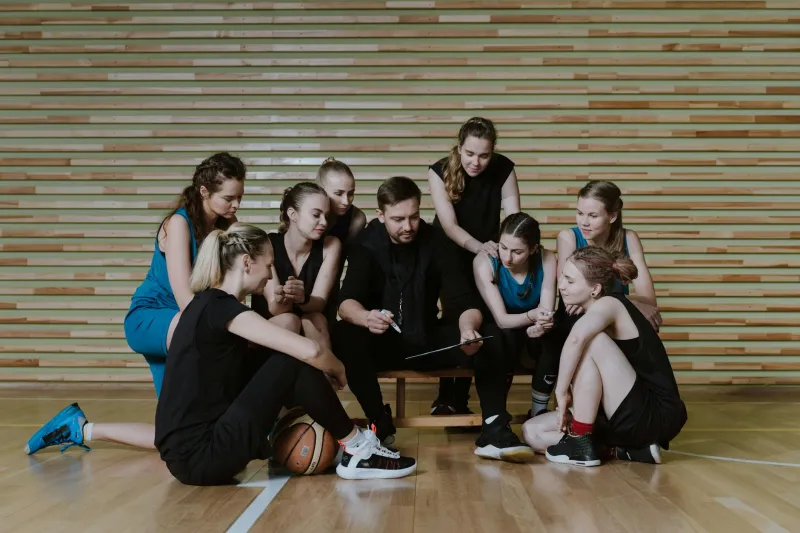
In the heat of competition, when momentum shifts like a runaway freight train and the crowd noise reaches deafening levels, the smartest coaches know something that separates them from the rest: sometimes the best play is no play at all.
The timeout. Thirty seconds to three minutes of pure strategic gold that can flip a game on its head faster than any Hail Mary or buzzer beater. While fans might groan at the interruption, the greatest coaches in American sports have turned these brief intermissions into legendary moments that echo through sports history.
When Dean Smith Invented the Four Corners
Before shot clocks and before anyone thought basketball could be boring, North Carolina's Dean Smith perfected the art of the strategic timeout. But his most famous pause came in 1982 during the NCAA Championship game against Georgetown.
With 32 seconds left and trailing by one, Smith called timeout. What happened next wasn't just a play call—it was basketball poetry. He drew up a simple screen for freshman Michael Jordan, who knocked down the game-winner that launched a thousand legends.
Smith didn't just stop the clock; he stopped panic. His timeout gave his young team a chance to breathe, reset, and execute under the brightest lights in college basketball. Sometimes the most valuable thing a coach can give their players isn't instruction—it's composure.
Vince Lombardi's Ice-Cold Calculation
The 1967 NFL Championship game—the famous "Ice Bowl"—was played in minus-13-degree weather that made Green Bay's Lambeau Field feel like a frozen wasteland. With 16 seconds left and the Packers trailing Dallas 17-14, most coaches would have panicked.
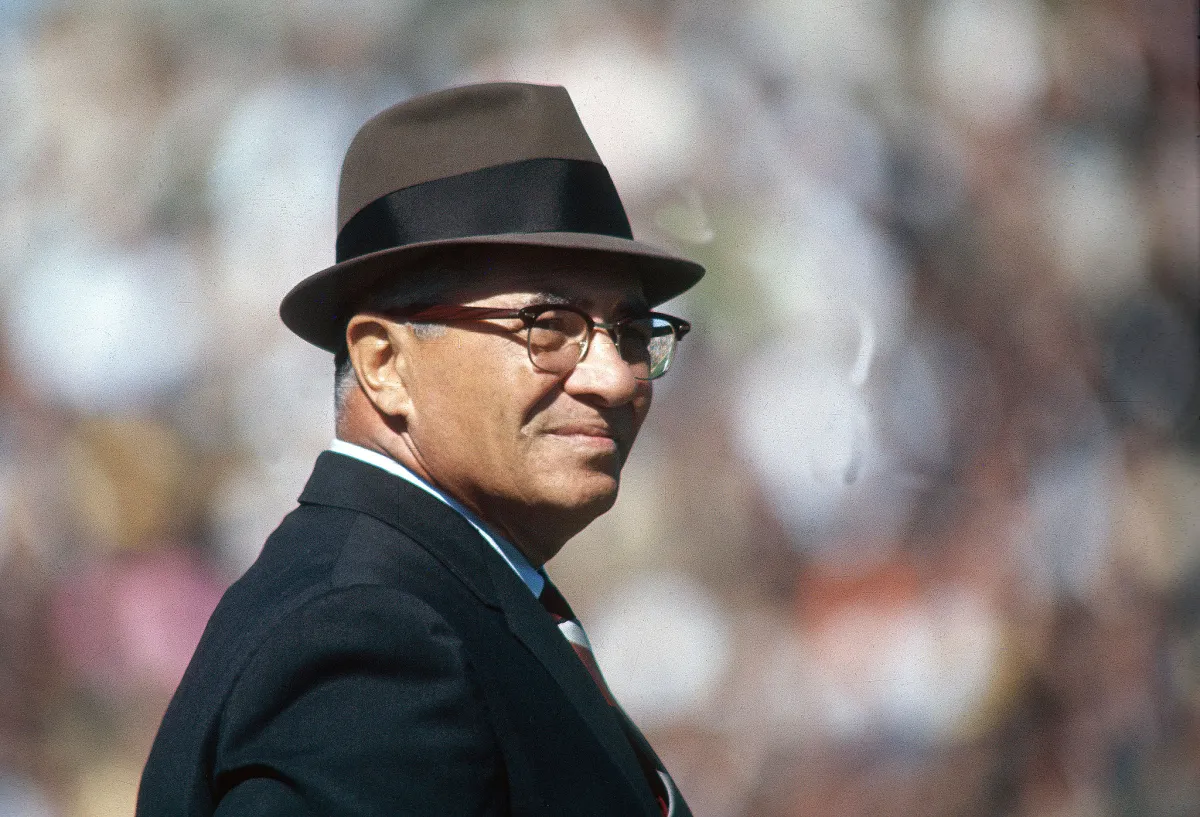 Photo: Vince Lombardi, via a.espncdn.com
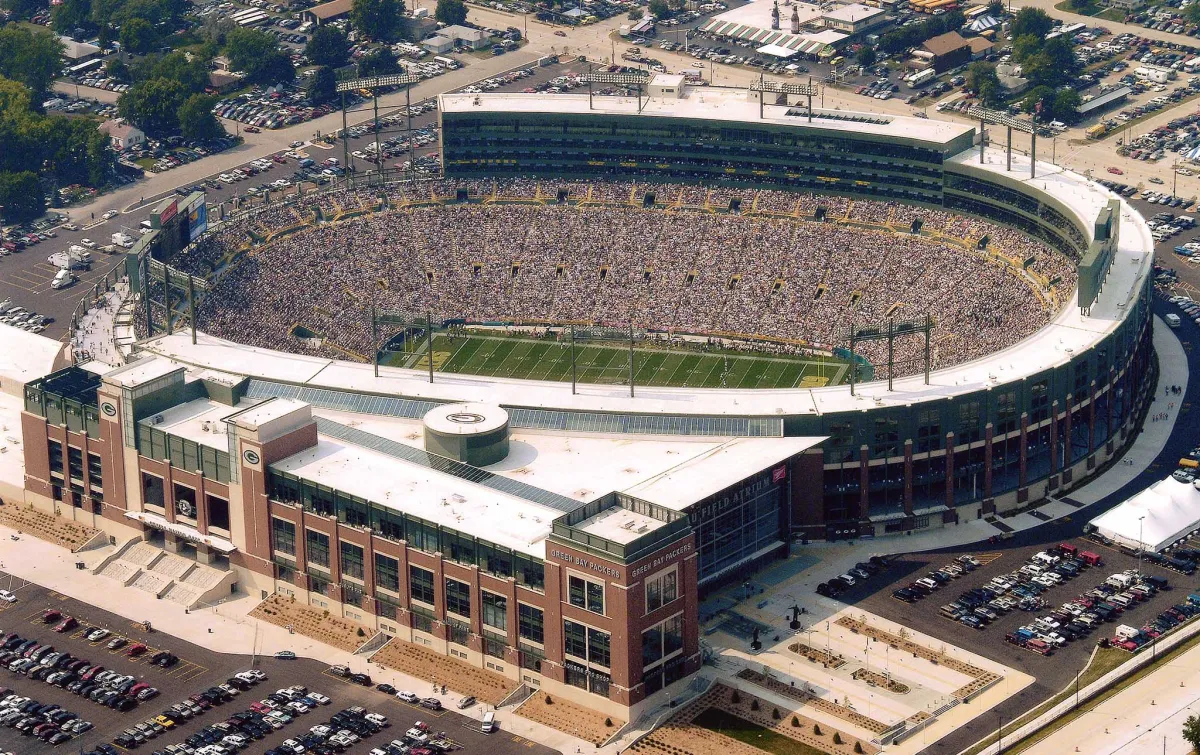 Photo: Lambeau Field, via somerville.s3.amazonaws.com
Not Vince Lombardi.
With the Packers facing third-and-goal from the one-yard line, Lombardi called his final timeout. The decision seemed obvious—punch it in with a running play. But Lombardi's timeout wasn't about the play call. It was about psychology.
He gathered his offense, looked them in the eye, and reminded them who they were. When they broke the huddle, they weren't just running a quarterback sneak—they were running into NFL immortality. Bart Starr's touchdown dive became one of the most famous plays in football history, but it started with Lombardi's calculated pause.
Pat Riley's Mind Games
Game 6 of the 1988 NBA Finals. The Lakers were down 3-2 to the Pistons and facing elimination. With Detroit building momentum in the third quarter, Pat Riley made a timeout call that had nothing to do with X's and O's.
Riley gathered his team and didn't draw up a single play. Instead, he reminded Magic Johnson, Kareem Abdul-Jabbar, and the rest of his squad about their legacy. He talked about greatness, about refusing to let their season end on someone else's terms.
The Lakers came out of that timeout and outscored Detroit by 20 points in the fourth quarter, forcing a Game 7 that they would eventually win. Riley's timeout didn't change the game plan—it changed the mindset.
The Psychology of the Perfect Pause
What separates legendary timeout calls from desperate ones? Sports psychologists point to three key factors: timing, message, and confidence.
The best coaches call timeouts before momentum becomes unstoppable, not after. They use the break to simplify rather than complicate. And most importantly, they project calm confidence even when everything around them is chaos.
Consider Phil Jackson's approach during the Bulls' championship runs. Jackson rarely called frantic timeouts during opposing runs. Instead, he waited for the perfect psychological moment—when his players needed clarity, not panic.
Modern Masters of the Stoppage
Today's coaches have learned from these legends. Bill Belichick's timeout management in Super Bowl victories, Gregg Popovich's strategic pauses during Spurs championship runs, and even college football coaches who save timeouts for crucial final drives all understand the same principle: controlling time means controlling the game.
The timeout isn't just a break in the action—it's a weapon. In the right hands, those precious seconds can shift momentum, calm nerves, and create the perfect conditions for greatness.
The Ultimate Strategic Tool
While highlight reels celebrate the spectacular plays and game-winning shots, the smartest fans know that championships are often decided in those quiet huddle moments when coaches prove their worth.
The next time you watch a crucial timeout, remember: you're not just seeing a break in the action. You're witnessing one of sport's most underrated art forms—the perfect pause that can change everything.