The Overlooked Legends: When Draft Day Sleepers Became Superstars

Every spring, teams spend millions of dollars and countless hours trying to predict the future. They measure, test, interview, and analyze prospects, building elaborate draft boards that supposedly separate the stars from the scrubs. Then draft day arrives, and sometimes the biggest steal of the entire event happens so late that half the country has already changed the channel.
These are the stories of the players who slipped through the cracks, only to become household names that made every team in their sport wonder how they missed them.
Tom Brady: The Ultimate "What If"
Draft Position: 199th overall, 2000 NFL Draft
What They Saw: A skinny quarterback from Michigan who looked uncomfortable in shorts at the combine
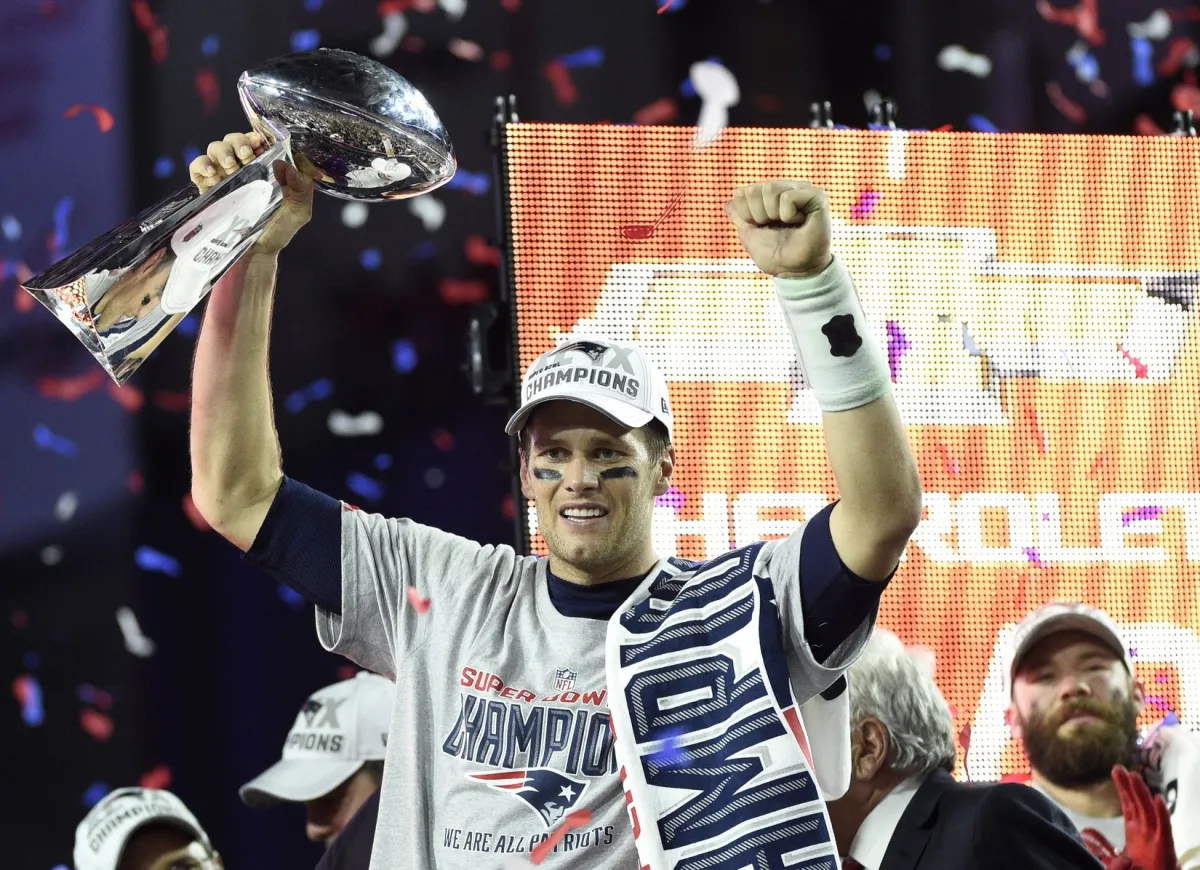 Photo: Tom Brady, via static0.thesportsterimages.com
What They Missed: The most clutch performer in NFL history
Six Super Bowl rings later, Tom Brady's draft slide remains the most glaring evaluation failure in modern sports. The man who would become the face of NFL greatness was picked behind six other quarterbacks, including Giovanni Carmazzi and Chris Redman—names that make Patriots fans chuckle and every other team's fans cringe.
Brady's story isn't just about late-round success; it's about how traditional scouting metrics completely whiffed on intangibles. NFL scouts saw arm strength and mobility. They missed the killer instinct and preparation obsession that would define two decades of dominance.
The kicker? Brady keeps the newspaper clipping from draft day in his office—a daily reminder that 198 players were supposedly better than him.
Draymond Green: The Heart Nobody Wanted
Draft Position: 35th overall, 2012 NBA Draft
What They Saw: An undersized forward from Michigan State without a clear position
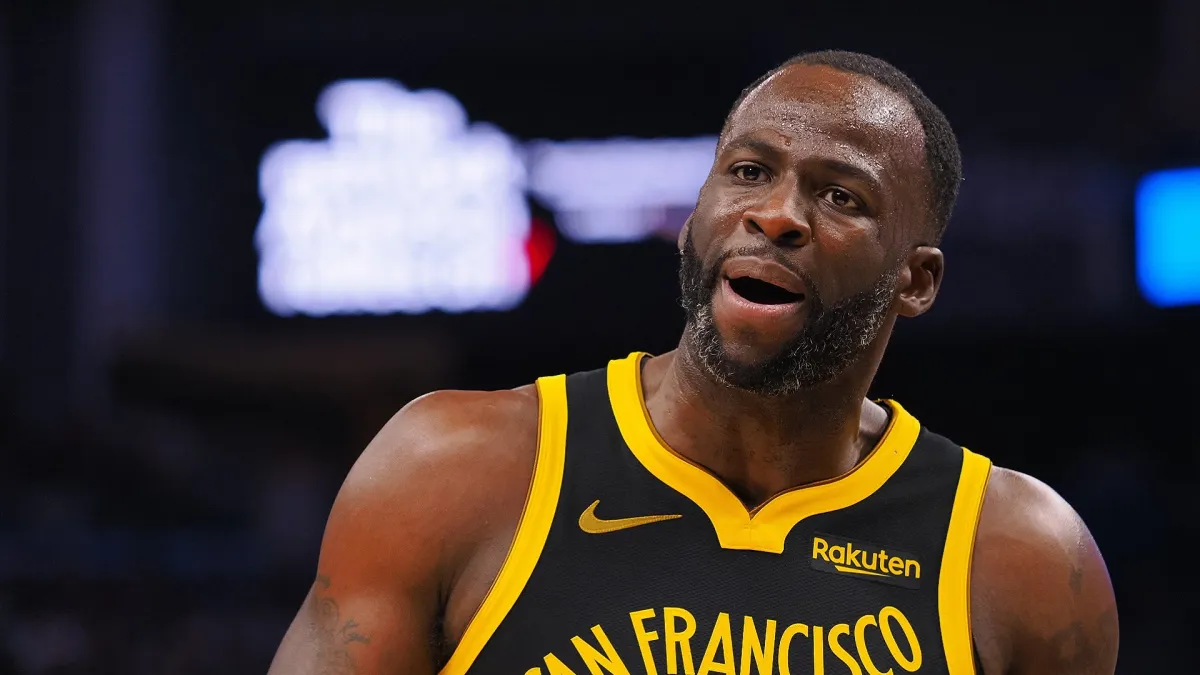 Photo: Draymond Green, via cdn.nba.com
What They Missed: The defensive genius who would anchor a dynasty
Draymond Green's draft night was brutal. He sat in the green room watching player after player get selected while NBA executives dismissed him as "too small for power forward, too slow for small forward." Thirty-four picks later, the Golden State Warriors finally called his name.
What those teams missed was basketball's ultimate Swiss Army knife. Green became the defensive anchor for three championships, the emotional leader who turned the Warriors into a juggernaut, and proof that basketball IQ matters more than traditional measurements.
His draft slide wasn't about talent—it was about vision. Most teams couldn't see how his unique skill set would fit in the modern NBA. The Warriors saw a player who could guard five positions and make everyone around him better.
Mike Piazza: The Favor That Changed Everything
Draft Position: 1,390th overall, 1988 MLB Draft
What They Saw: A favor pick for Dodgers manager Tommy Lasorda's family friend
What They Missed: The greatest hitting catcher in baseball history
Mike Piazza's selection was literally a courtesy pick. The Dodgers used their 62nd-round choice on the son of Lasorda's childhood friend, expecting nothing more than to make an old pal happy. Instead, they discovered a hitting machine who would redefine what offensive production looked like from behind the plate.
Piazza hit .308 lifetime with 427 home runs, numbers that seemed impossible for catchers at the time. His post-9/11 home run at Shea Stadium became one of baseball's most emotional moments, proving that sometimes the best stories come from the most unexpected places.
Every other team in baseball passed on Piazza 62 times. The Dodgers stumbled into a Hall of Famer by accident.
Isaiah Thomas: 5'9" of Pure Heart
Draft Position: 60th overall, 2011 NBA Draft
What They Saw: A tiny point guard who couldn't possibly compete against NBA athletes
What They Missed: A scoring champion hiding in a small package
Isaiah Thomas was the last pick of the 2011 NBA Draft—literally Mr. Irrelevant. Teams saw his 5'9" frame and immediately wrote him off, assuming he'd be overwhelmed by bigger, stronger NBA players.
Thomas had other plans. He became a two-time All-Star, led the Boston Celtics to the Eastern Conference Finals, and averaged 28.9 points per game in 2017—proving that heart and skill could overcome physical limitations.
His playoff performance while dealing with personal tragedy showed why draft position means nothing compared to determination. Thomas turned being overlooked into fuel for greatness.
Russell Wilson: Too Short for the Big Time
Draft Position: 75th overall, 2012 NFL Draft
What They Saw: A quarterback who couldn't see over his offensive line
What They Missed: A Super Bowl winner with elite mobility and clutch gene
Russell Wilson's college stats were ridiculous—he threw for over 4,000 yards and ran for 600 more in his final season at Wisconsin. But NFL scouts obsessed over his height, convinced that a 5'11" quarterback couldn't succeed in the modern league.
Seattle saw differently. They drafted Wilson in the third round and watched him win a Super Bowl, make multiple Pro Bowls, and consistently rank among the NFL's most efficient passers. His mobility and pocket presence made height irrelevant.
Wilson's success forced NFL teams to reconsider their quarterback prototypes, proving that traditional measurements don't always predict success.
What the Scouts Missed
These draft day failures reveal something crucial about talent evaluation: the most important qualities are often the hardest to measure. Brady's preparation obsession, Green's basketball IQ, Piazza's hitting instincts, Thomas's competitiveness, Wilson's pocket awareness—none of these show up in combine drills.
Modern analytics have improved draft accuracy, but they still can't quantify heart, clutch performance, or the ability to elevate teammates. The best late-round success stories combine measurable talent with immeasurable qualities that only show up under game lights.
The Draft Day Lesson
Every year, teams convince themselves they've cracked the code on talent evaluation. They build elaborate systems, hire expensive consultants, and create detailed prospect rankings. Then draft day happens, and somewhere in the late rounds, a future superstar gets selected by a team that saw something everyone else missed.
These players didn't just outperform their draft position—they redefined what success looks like. They proved that greatness comes in all shapes, sizes, and draft slots.
The next time you watch a draft, remember: the most important pick might not happen in the first round. Sometimes the best players are the ones nobody saw coming.