Hindsight Is 20/20: The Sports Moments That Only Became Legendary Years Later

Here's a funny thing about sports history: the moments we remember most vividly aren't always the ones that felt biggest when they happened. Sometimes the earth-shattering stuff sneaks past you in real time. You're watching a Tuesday night game in November, half-distracted, and somewhere in the third quarter, the future quietly changes direction. You just don't know it yet.
That's the thing about turning points. They rarely come with a warning label.
The Debut Nobody Circled on the Calendar
Cast your mind back to October 2003. LeBron James played his first NBA regular-season game for the Cleveland Cavaliers against the Sacramento Kings. He finished with 25 points, 9 assists, and 6 rebounds. Solid numbers. Impressive for a 18-year-old. But the reaction in the broader sports conversation was cautious — let's wait and see, the commentators said. He's got potential, sure, but the NBA is a different world.
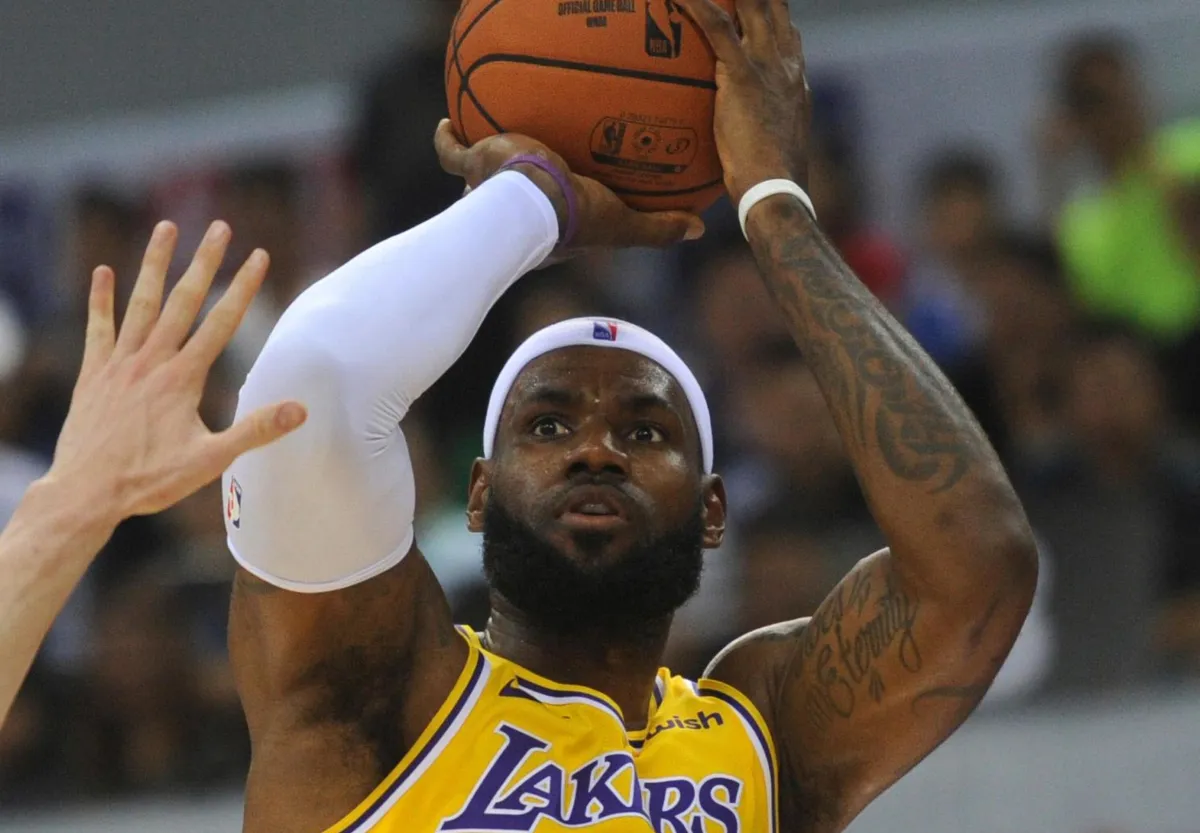 Photo: LeBron James, via news4sanantonio.com
Nobody called it the beginning of a two-decade redefinition of basketball greatness. Nobody wrote the headline that said, "This kid is about to become the measuring stick for every athlete who comes after him." It was just a debut. File it away.
Only now, with four championships, four MVP awards, and an entire generation of players who grew up studying his game, does that first night look like what it actually was — the first page of a story that still isn't finished.
That's the beauty and the madness of sports. The significance of a moment is often invisible until you zoom all the way out.
The Trade That Changed Everything (Quietly)
Few transactions in recent memory illustrate the delayed-revelation phenomenon better than the 2019 trade that sent Russell Westbrook from Oklahoma City to Houston. At the time, the conversation was almost entirely about what Houston was getting — a ball-dominant superstar reuniting with his old running mate, James Harden. The Thunder, meanwhile, were rebuilding around Chris Paul and a pile of draft picks.
Fast forward a few years. Those draft picks became Shai Gilgeous-Alexander and a platform to build something genuinely exciting in OKC. The Westbrook-Harden experiment, meanwhile, unraveled spectacularly. What looked like Houston loading up for a title run was actually the beginning of a franchise teardown. What looked like Oklahoma City waving the white flag was actually the smartest front-office decision in the Western Conference that decade.
In real time, the Thunder were the losers of that deal. In hindsight? It doesn't even look close.
The Call That Rewired a Franchise
Decisions made in the final minutes of close games rarely get the attention they deserve — unless they go wrong in an obvious, immediate way. The quiet ones, the ones that hold up or quietly backfire, tend to get buried under the avalanche of next-day coverage.
Think about the 2014 Super Bowl. Pete Carroll's decision to throw from the one-yard line with Marshawn Lynch in the backfield remains one of the most dissected play calls in football history. But the reason it still stings for Seattle fans isn't just the interception — it's the what-if. That single decision rewired the entire arc of the Seahawks dynasty. A second consecutive championship would have changed how we talk about that team, that era, and arguably that entire decade of NFC football.
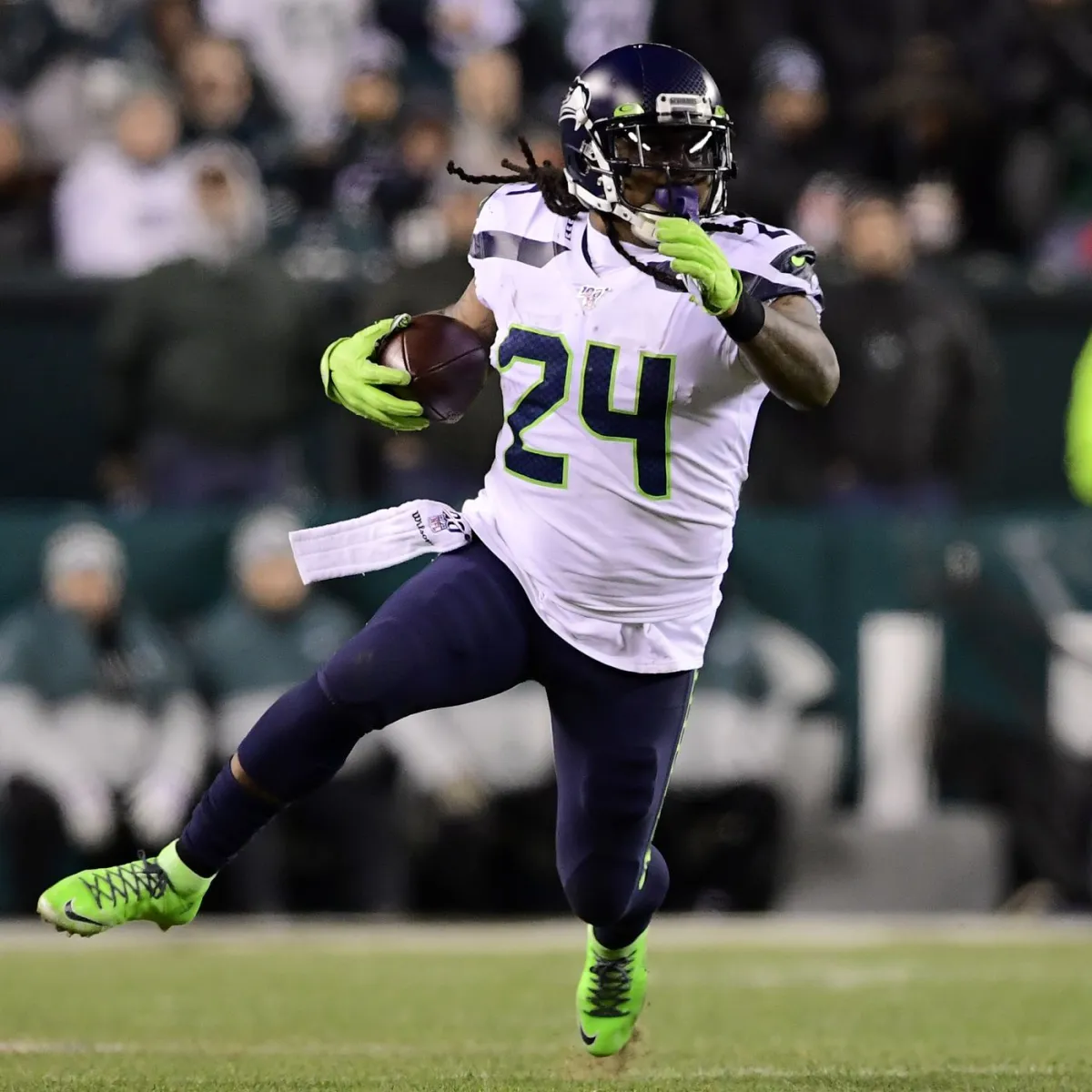 Photo: Marshawn Lynch, via cdn.vox-cdn.com
In the moment, it was a bad call that ended a game. In hindsight, it was a fork in the road for an entire franchise's legacy.
Slow-Burn Legacies and the Patience They Demand
There's a reason sports fans have such a complicated relationship with patience. We want the story to resolve cleanly, right now, in this quarter, in this game, this season. The idea that something important might be happening and we just can't see it yet is genuinely uncomfortable.
But the greatest sporting legacies almost always require a long lens. Steph Curry was a skinny second-round concern when Golden State drafted him in 2009. Tom Brady was a sixth-round afterthought in 2000. Giannis Antetokounmpo was a raw 18-year-old from Greece who barely played in his rookie season. None of those stories were obvious in real time.
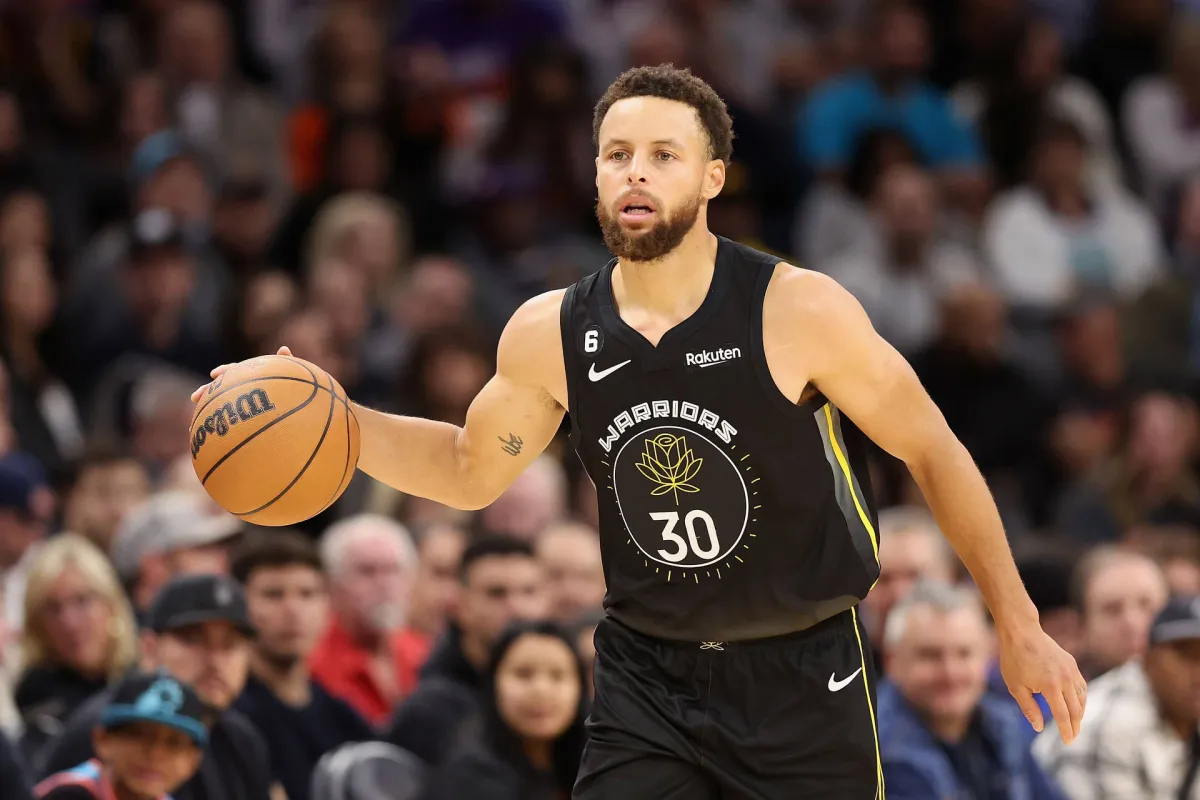 Photo: Steph Curry, via wallpapers.com
What made them legends wasn't a single moment of arrival. It was the accumulation — the slow, grinding, barely-noticeable process of becoming elite that only looks inevitable once it's done.
Why Looking Back Changes Everything
There's genuine joy in revisiting these moments with fresh eyes. Not to feel bad about what we missed, but to appreciate how rich and layered sports history really is. The draft pick everyone ignored. The coach who got fired one year too early. The team that lost a playoff series and came back the next season as a completely different, better version of itself.
Sports have always been about narrative, and the best narratives take time to reveal themselves. The turning points that only make sense years later aren't failures of observation — they're proof that the game is bigger, stranger, and more surprising than any single moment suggests.
Zoom out far enough, and the whole picture comes into focus. That's when sports stop being just scores and stats and start being something closer to literature.
And honestly? That's the best part.