Talk Is Cheap — Until It Wins You the Game: The New Era of Athletic Mind Games

Photo by Photo by Joel Muniz on Unsplash on Unsplash
Muhammad Ali didn't just beat his opponents in the ring. He beat them in the lobby, at the press conference, at the weigh-in, in the newspaper, and in their own heads before the first punch was ever thrown. Ali understood something fundamental about elite competition: the mental game isn't a sideshow. It's the main event.
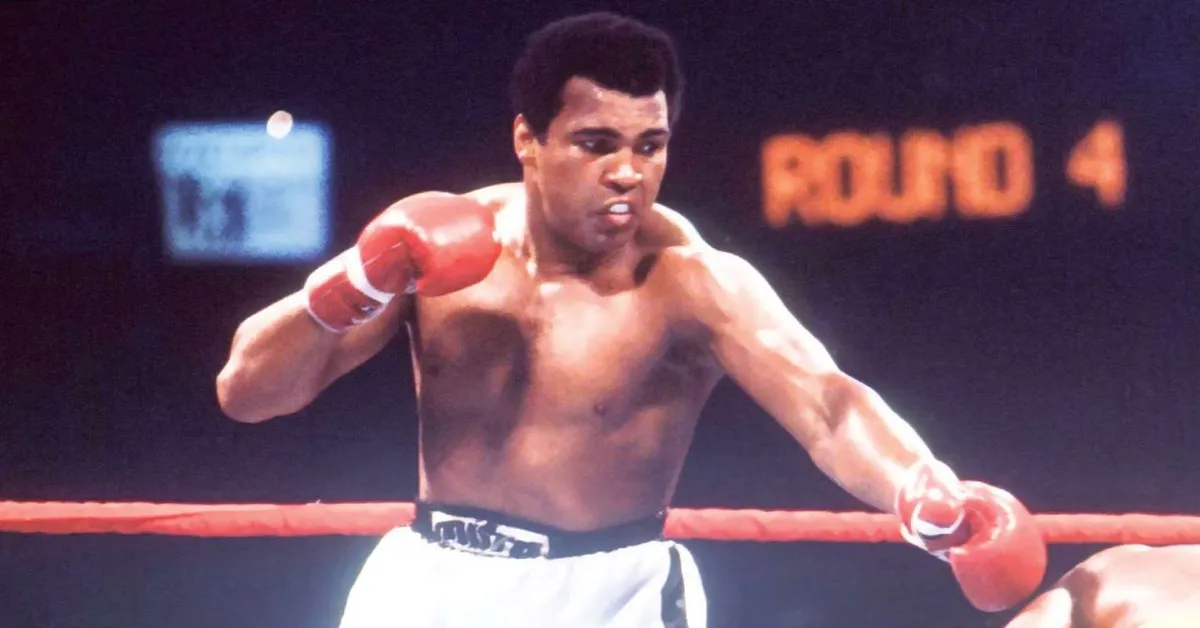 Photo: Muhammad Ali, via cdn-img.secondsout.com
Decades later, that lesson hasn't been forgotten. It's been upgraded.
Today's athletes aren't just talking trash in locker rooms or muttering under their breath on the court. They're going on Instagram Live at midnight. They're orchestrating calculated press conference moments that clip perfectly for Twitter. They're deploying sideline staredowns with the precision of a chess grandmaster. The psychological battlefield has expanded dramatically — and the players who understand that are using it to devastating effect.
The Social Media Advantage
Once upon a time, trash talk was a private language. It lived in huddles, on the field, between competitors. The average fan heard about it secondhand, if at all. Now it's a broadcast.
When Kevin Durant responds to a fan's criticism at 2 a.m. on a burner account, that's not just a celebrity being thin-skinned. That's a window into the mind of a competitor who burns so hot that nothing slides. When Draymond Green posts a cryptic message on social media the night before a playoff game, every sports journalist in America is writing about it by morning. The opponent sees it. The opponent's teammates see it. The opponent's coaching staff spends time they could use on film sessions talking about what Draymond meant.
That's not an accident. That's the play.
Josh Allen and the Buffalo Bills understand this too. The culture of confidence they've built isn't just internal — it bleeds into every media session, every postgame interview, every piece of content the franchise puts out. It signals to the rest of the AFC that this team believes it belongs at the top, and it forces opponents to respond to that energy before they've even taped their ankles.
The Press Conference as Theater
If social media is the new trash talk arena, the pre-game press conference is the gladiatorial stage.
Patrick Beverley built an entire career reputation on psychological disruption — not just on-court hand-checks and defensive irritation, but in the way he talked about opponents publicly. He named names. He made it personal. He made the other guy have to answer questions about what Pat Bev said instead of focusing on the game plan.
In the NBA, where players know each other intimately — same summer leagues, same training camps, same social circles — the ability to weaponize familiarity is genuinely powerful. Saying the right thing in the right media setting at the right moment can plant a seed of doubt that blooms under playoff pressure.
And nobody has mastered that theater quite like the combat sports world.
Conor McGregor and the Blueprint
Let's be honest: the modern playbook for pre-competition psychological warfare has a clear author. Whatever you think of Conor McGregor's recent career trajectory, his ability to dismantle opponents mentally before a fight remains one of the most studied phenomena in modern American sports culture.
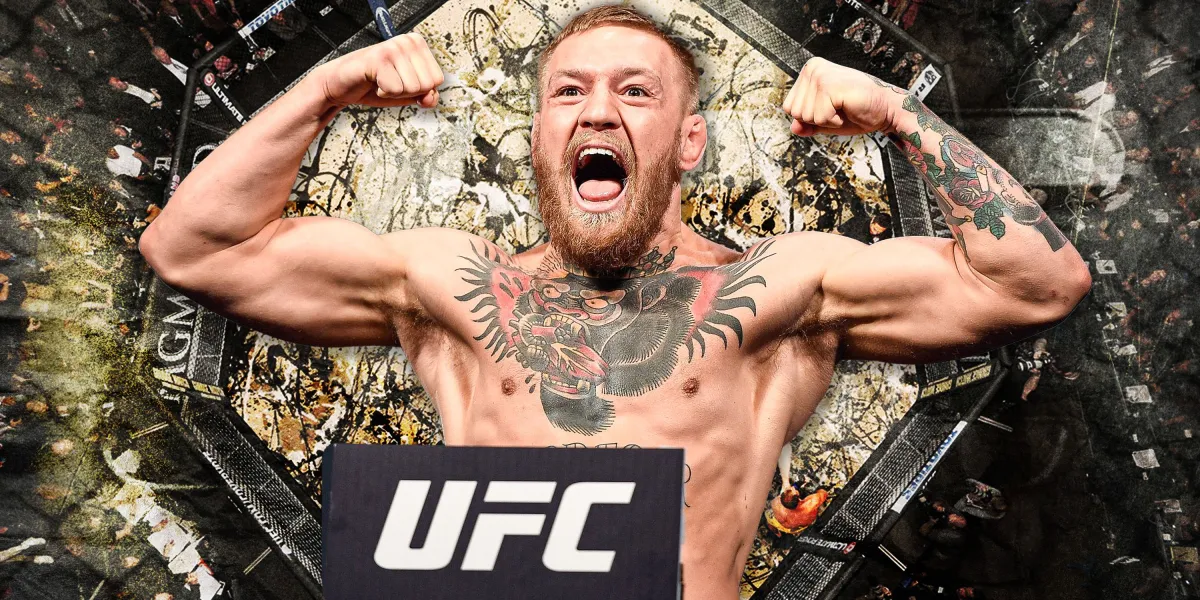 Photo: Conor McGregor, via static0.givemesportimages.com
The McGregor formula — relentless personal attacks, calculated disrespect, the manufactured chaos of press conferences and staredowns — wasn't random. It was engineered. He targeted insecurities, provoked reactions, and made opponents fight his fight emotionally before they ever threw a punch physically. Jose Aldo, Eddie Alvarez, Nate Diaz in the rematch — each one had to manage the storm McGregor created before the cage door closed.
The UFC has leaned into this fully. The staredown is now a legitimate promotional event. The press conference is as important to fight week as the open workout. Because the audience wants the psychological drama, and the fighters who understand that get the biggest stages.
When It Backfires
Of course, the mind game is a double-edged sword. For every Ali who backed it up, there's a cautionary tale of a competitor who talked himself into a corner.
The NFL has seen its share of bulletin-board moments — locker room walls plastered with quotes from opponents who got too comfortable with the microphone. Bill Belichick built a dynasty partly on the fuel provided by other teams running their mouths. The 2007 New York Giants were a 10-point underdog in Super Bowl XLII against an undefeated New England Patriots team. The Patriots talked. The Giants listened. You know how that ended.
The difference between psychological mastery and psychological self-destruction often comes down to one thing: can you back it up? The athletes who've turned the mental game into a genuine weapon are the ones who arrived at the arena ready to deliver. The ones who couldn't are just footnotes.
The New Competitive Edge
What makes this era different isn't that trash talk exists — it's always existed. What's different is that the arena for it is now everywhere, always on, and algorithmically amplified. A well-timed post doesn't just reach the opponent. It reaches millions of fans who then create a pressure environment the opponent has to navigate.
For a young player trying to make their mark, getting publicly called out by a veteran can be either a career-defining challenge or a crushing distraction. For a veteran trying to protect their legacy, the wrong response to a younger player's provocation can shift the entire media narrative of a series.
The mental game has always mattered. But now it's playing out in public, in real time, at a scale Ali could never have imagined.
And the athletes who understand that are already a step ahead.