July Is the Real Season: How Offseason Moves Decide Who Lifts the Trophy
Photo: Front Office Sports, CC BY 3.0, via Wikimedia Commons
Here's a truth most casual fans don't want to hear: the championship you're watching in the spring or winter was essentially decided six months earlier, in a conference room, over a handshake, or through a phone call nobody outside the organization knew happened. The drama of Game 7, the overtime thriller, the buzzer-beater — all of it is real, all of it matters. But the foundation underneath it? That was poured in July.
The offseason is where franchises either quietly build something special or quietly blow themselves up. And most of us aren't paying attention when it happens.
The Moves Nobody Tweets About
Free agency gets the headlines. The blockbuster trades get the takes. But the moves that genuinely shift a franchise's trajectory are often quieter than that — a coordinator hire that restructures an entire offensive identity, a front-office philosophy shift that suddenly prioritizes depth over star power, a veteran minimum signing that fills the one hole nobody noticed until the playoffs started.
Look at what the Golden State Warriors built in the early 2010s. The Draymond Green pick in the second round of the 2012 NBA Draft didn't break the internet. Neither did the decision to stick with Steve Kerr as head coach over bigger names. But those two moves, made when fans were more focused on summer vacations than basketball, ended up being the scaffolding for a dynasty.
Or consider how the Kansas City Chiefs have consistently reloaded in the NFL. Every offseason, there's a quiet reshuffling — a new weapon added here, a coordinator promoted there — that keeps the machine running. The Super Bowl moments are spectacular. The July meetings that made those moments possible? Completely invisible to most fans.
The Coaching Hire That Changes Everything
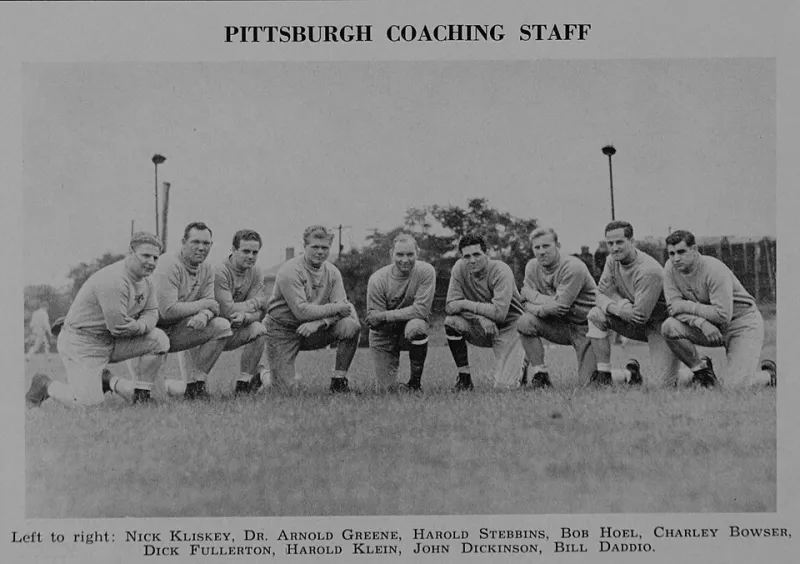
If there's one offseason move that gets undervalued more than any other, it's the coaching hire. Fans obsess over rosters. They track cap space and trade rumors. But the coach — specifically the assistants around the head coach — might be the single biggest swing a team takes all year.
When the Philadelphia Eagles hired Nick Sirianni in 2021, the reaction was mostly a collective shrug. Who? By February 2023, he was holding a Lombardi Trophy. The hire looked obvious in hindsight, which is exactly how most great offseason decisions look. At the time, though? Barely a ripple.
The NBA version of this plays out constantly. When teams bring in a new defensive coordinator or player development coach, it rarely makes the front page. But fast-forward eight months and suddenly a role player is defending two positions, a young guard is running the pick-and-roll with confidence, and everyone is asking what changed. What changed happened in the summer. In practice. In film sessions. In conversations nobody was recording.
Free Agency's Real Story Is Who You Don't Sign
Here's the part that really gets overlooked: sometimes the most important offseason decision is the one a team doesn't make.
Chasing a big-name free agent and missing out feels like a loss in the moment. The sports talk shows treat it like a catastrophe. But there are plenty of examples across the NFL, NBA, and MLB where the team that got outbid for the superstar ended up better for it — because they used that cap space differently, kept their roster chemistry intact, or avoided locking themselves into a contract that would've crippled them two years later.
The Chicago Cubs' 2016 World Series run is a masterclass in offseason architecture. That roster wasn't built overnight. It was constructed through years of careful draft decisions, prospect development, and strategic free agent additions — most of which happened during stretches when Cubs fans were still trying to stay positive about a historically star-crossed franchise. By the time October came, the team was already built. The playoffs were almost just confirmation.
MLB's Offseason Is a Whole Different Animal
In baseball, the offseason is almost a sport unto itself. The Hot Stove League — the unofficial name for the period of trades and signings between the World Series and spring training — generates as much conversation as the regular season in some corners of the baseball world.
And for good reason. A starting rotation rebuilt in December can completely flip a franchise's outlook. The Astros' dynasty didn't materialize from nowhere — it was built through years of drafting, developing, and making calculated trades that only looked like genius once the wins started stacking up.
Casual fans tend to tune in around playoff time. But the front office executives, scouts, and coaches who actually build winning teams? They'll tell you the real grind is the offseason. That's when the work gets done.
Why Casual Fans Miss It — And Why That's Okay
Let's be honest: not everyone wants to follow the coaching carousel or debate the implications of a depth signing in March. Sports are supposed to be fun. The drama of live games is what pulls people in, and there's nothing wrong with showing up for the playoffs without having tracked every roster move since June.
But understanding that championships are built in the offseason changes the way you watch sports. It adds a layer. When a team suddenly looks like a completely different unit in November or March, it's rarely because they flipped a switch. It's because someone, somewhere, made a decision in the summer that you probably scrolled past.
The zoom-out moment — stepping back from the highlight reel and looking at the full picture — reveals that the most important games of the year don't always have scoreboards. Sometimes they happen in a draft room. Sometimes they happen when a coach draws up a new system on a whiteboard in August.
By the time the confetti falls, the real story already happened. You just have to know where to look.