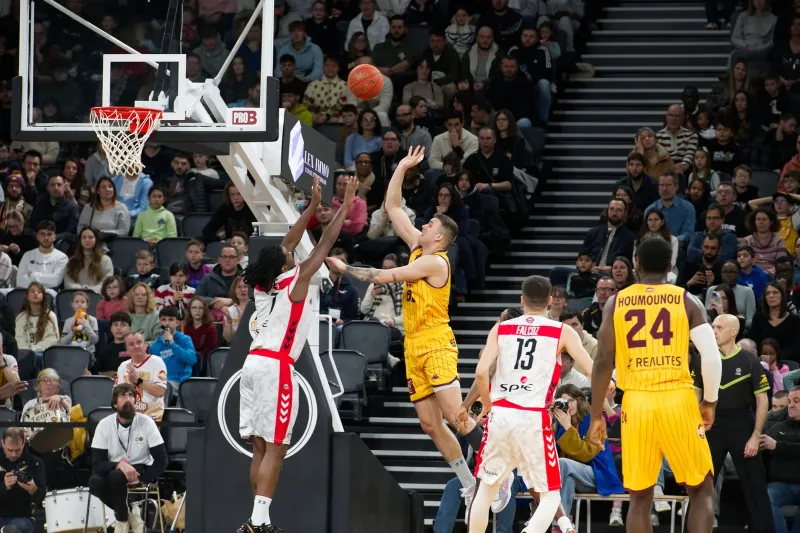
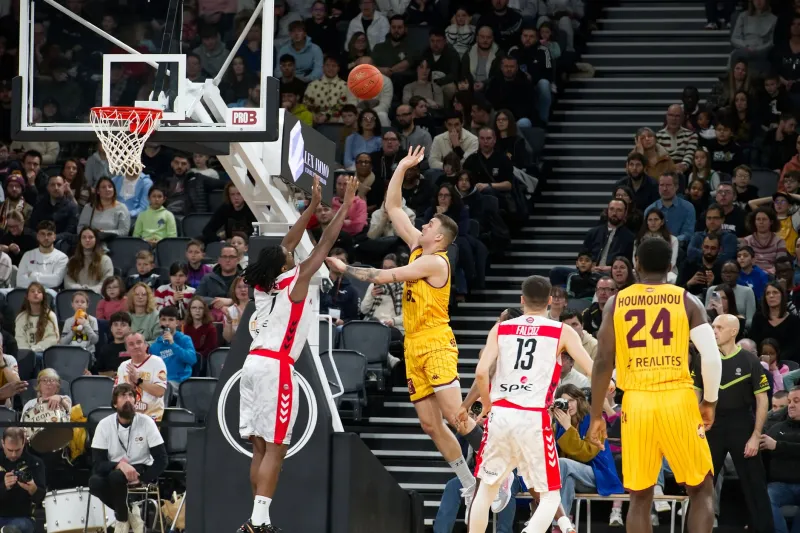
Moment Makers: The Athletes Who Save Their Best for When the Whole World Is Watching

Photo by Photo by Ryan on Unsplash on Unsplash
There's a specific type of athlete that every serious sports fan recognizes instinctively. You've seen them. Maybe you've rooted for them, or maybe you've groaned watching them torch your team in a nationally televised game they had no business dominating. They're the ones who seem to grow three inches taller when the stakes go up. The ones who, when the camera zooms in and the arena goes electric, somehow find another gear that wasn't visible on a random Wednesday in February.
We call them clutch. We call them big-game players. We call them stars.
But what if it's actually something more specific than that? What if performing under maximum exposure — in front of the largest audiences, in the highest-pressure moments, on the stages that generate the most highlight content — is its own distinct skill? A skill that separates the very good from the genuinely unforgettable?
The Primetime Wiring
Start with the numbers, because they tell a story.
Steph Curry's playoff performances have consistently exceeded his already-extraordinary regular season averages at key moments. LeBron James has played in 10 NBA Finals. Ten. That's not luck or circumstance — that's a player who understands how to peak when the calendar demands it. Patrick Mahomes has three Super Bowl rings and a catalog of fourth-quarter comeback performances that feels almost statistically implausible.
 Photo: Patrick Mahomes, via athlonsports.com
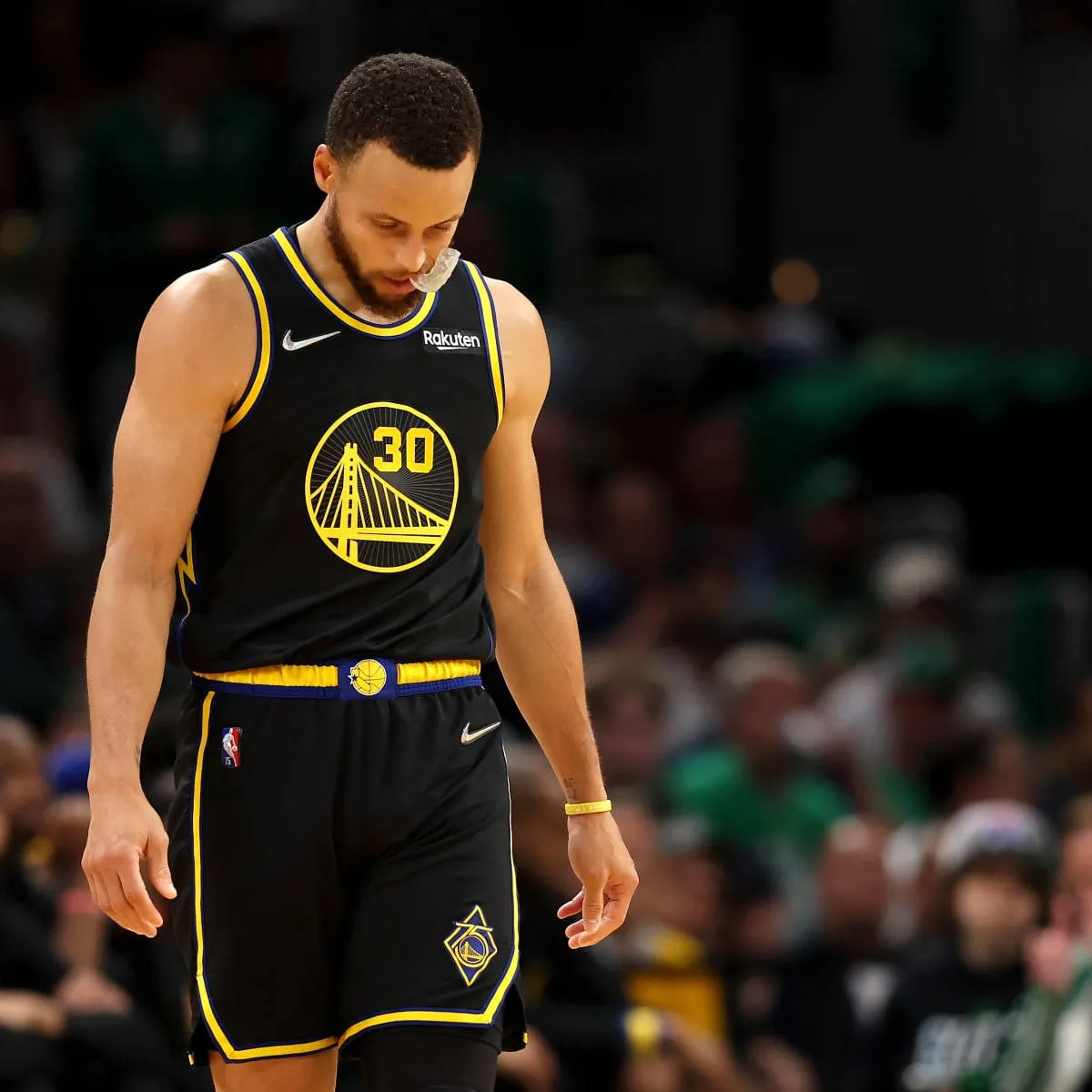 Photo: Steph Curry, via wallpapers.com
But beyond the raw numbers, there's something qualitative happening with these athletes that's worth examining. They don't just perform well in big moments — they perform differently. There's a quality to their movement, their decision-making, their willingness to take the defining shot or make the defining throw that shifts in high-exposure environments.
Talk to their teammates and you'll hear the same thing repeatedly: in practice, in regular-season games, they're excellent. In playoff games, in primetime matchups, in the moments that end up as the lead story on SportsCenter — they become something else entirely.
The New Generation Turning It Up
The current generation of American sports stars seems almost built for this. They grew up with social media, with highlights, with the constant awareness that any moment could be the moment. And some of them have clearly internalized that in a way that's reshaping how we think about elite performance.
Anthony Edwards of the Minnesota Timberwolves is a perfect case study. The man plays every game like it's being broadcast on the moon. But in nationally televised matchups, in playoff series, in games that carry genuine weight? He adds a dimension that's hard to describe and impossible to ignore. The smile gets bigger. The moves get bolder. The shots get more audacious. It's as if the size of the audience calibrates the size of his performance.
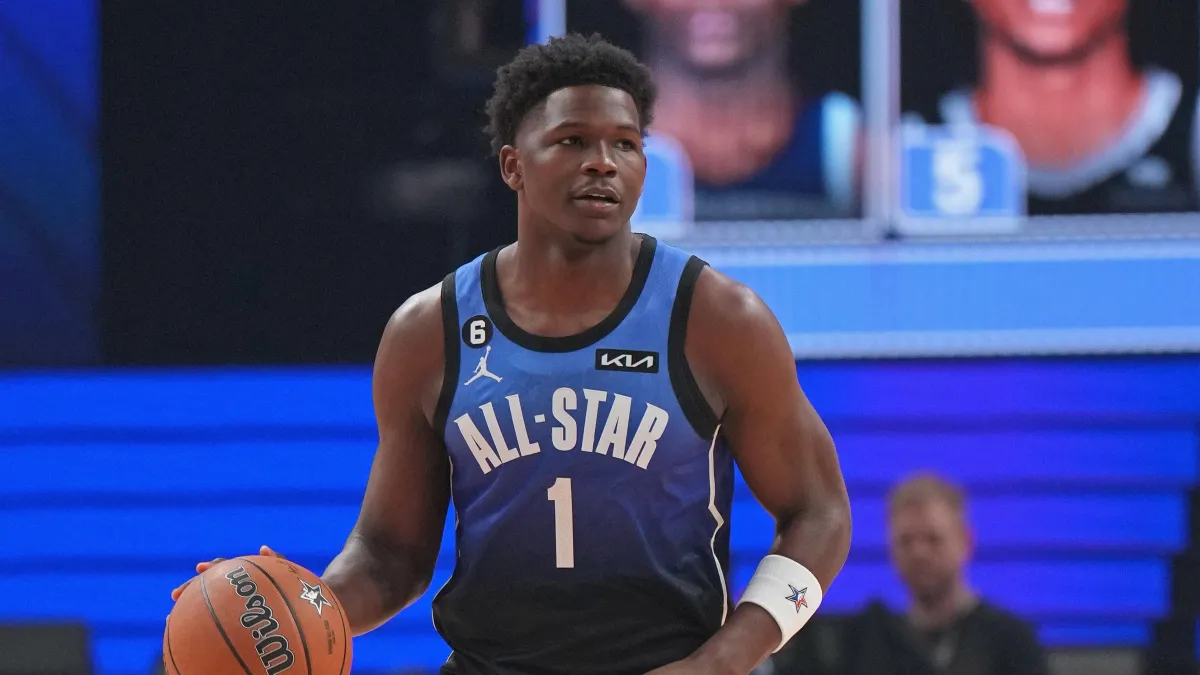 Photo: Anthony Edwards, via cdn.nba.com
In the NFL, Justin Jefferson has made a career of showing up most visibly when the cameras are most present. His highlight-reel catches in prime-time games have become a reliable feature of the NFL season — not because he doesn't produce in quieter matchups, but because something about the biggest stages seems to sharpen his focus to a fine point.
Is It a Skill or Just Greatness?
Here's the question worth asking: is the ability to perform under maximum exposure a distinct skill, or is it simply what separates elite athletes from very good ones?
The argument for it being a specific skill goes something like this: there are athletes who are statistically excellent across the board but who don't elevate in big moments. They're consistent, reliable, valuable — but they don't have that gear. The fact that some athletes clearly do have it, and others demonstrably don't, suggests it's not just general greatness. It's something more targeted.
Sports psychologists would point to factors like arousal regulation — the ability to manage the heightened emotional and physiological state that comes with high-stakes competition — as a key differentiator. Some athletes are genuinely wired to perform better when their nervous system is running hotter. The crowd noise, the broadcast lights, the awareness of consequence — instead of creating interference, it creates clarity.
For those athletes, the bigger the moment, the simpler the game becomes.
The Viral Dimension
There's also a modern wrinkle that previous generations of athletes didn't have to navigate: the viral moment as a category of performance in itself.
The current generation of stars didn't just grow up watching highlights — they grew up watching their highlights, in real time, accumulate followers and shape narratives. The awareness that a given play might be seen by 50 million people within 24 hours is baked into how they approach high-profile moments.
This isn't cynical. It's contextual. Athletes like Ja Morant — before his off-court controversies complicated the picture — and Jaylen Brown play with an aesthetic boldness that seems consciously calibrated to the highlight reel. They make choices on the court that are not just tactically sound but visually spectacular. And they tend to make those choices most consistently when the audience is largest.
Is that a new kind of sports intelligence? An awareness of the media environment that shapes competitive choices? Maybe. Or maybe it's just that the players who are wired for big moments have always existed, and now we have better tools to see them clearly.
What Separates the Moment Makers
At the end of the day, what unites all of these athletes — from Mahomes to Edwards to Jefferson — is something that's hard to manufacture and impossible to coach into someone who doesn't already have it.
It's the capacity to want the ball when everything is on the line. To not just tolerate the pressure of a nationally televised, season-defining, career-shaping moment — but to actively seek it out. To feel the spotlight as fuel rather than weight.
Every sports fan knows the feeling of watching a player shrink in a big game. The missed shots, the tentative decisions, the body language that says I'd rather be anywhere but here.
The moment makers are the opposite. When the zoom lens finds them, they find something extra. And the rest of us — watching from our couches, our sports bars, our living rooms — get to witness what elite performance looks like when it's truly turned all the way up.