Deal of the Century: When One Trade Changed Everything

When Front Offices Swing for the Fences
Every season, general managers make hundreds of moves. Most fade into history as footnotes. But every few years, a trade happens that completely rewrites a franchise's destiny. These aren't your typical deadline deals or salary dumps—these are the seismic shifts that turn pretenders into champions.
The best franchise-altering trades share one thing: they arrive at the perfect storm of timing, talent, and organizational vision. When everything aligns, magic happens.
The Patriots' Highway Robbery
In 2007, the New England Patriots traded a fourth-round pick to the Oakland Raiders for Randy Moss. On paper, it seemed like a decent gamble on a talented but troubled receiver. In reality, it was the missing piece that nearly delivered a perfect season.
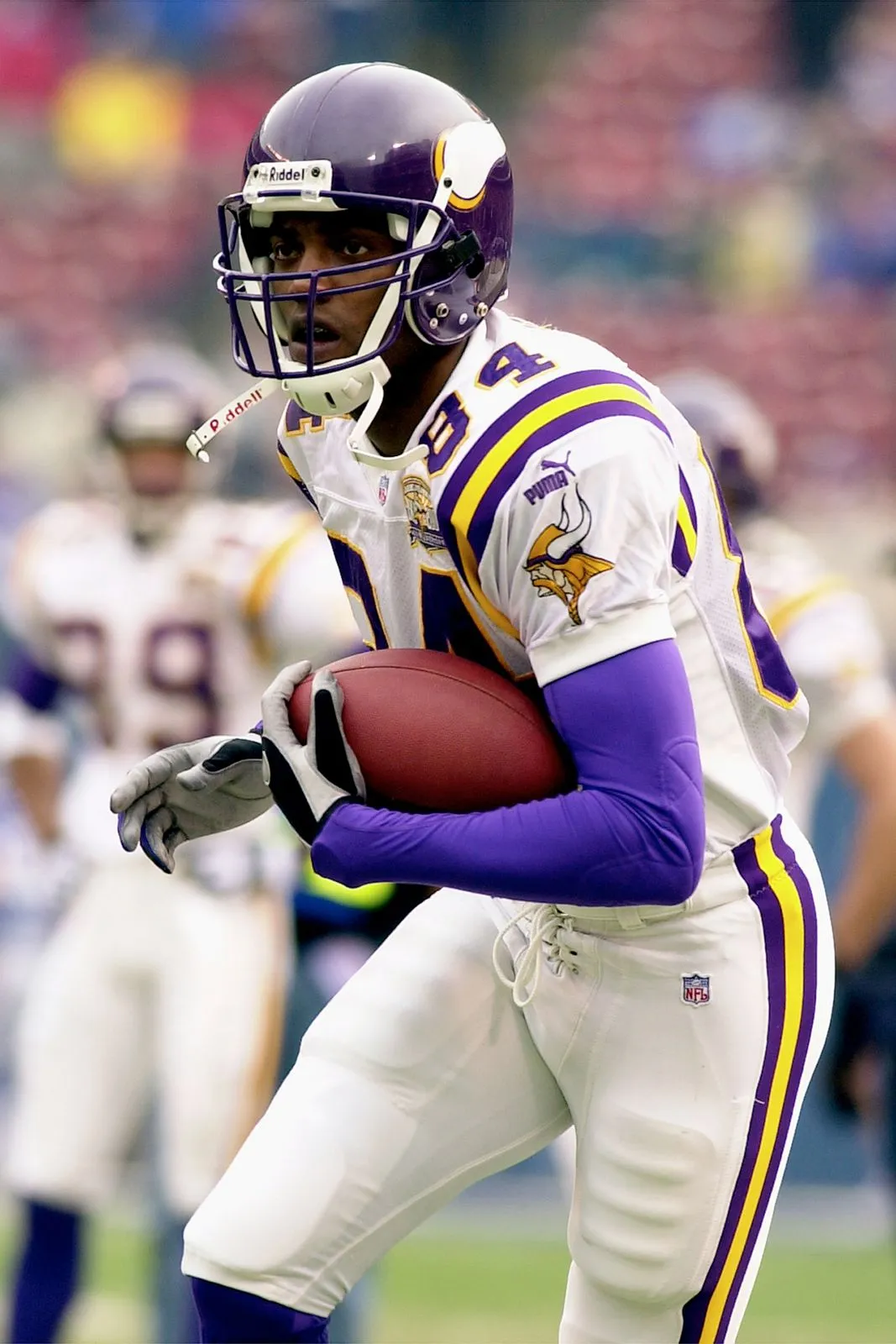 Photo: Randy Moss, via cdn.britannica.com
Moss had worn out his welcome in Oakland, looking disinterested and past his prime. But paired with Tom Brady and Bill Belichick's system, he transformed back into the game-breaking weapon that terrorized defenses in Minnesota. The Patriots went 16-0 in the regular season, with Moss catching 23 touchdowns and looking unstoppable.
The trade worked because New England recognized what Oakland couldn't see: Moss wasn't washed up, he was just in the wrong situation. Sometimes the best trades aren't about acquiring talent—they're about unlocking it.
The Lakers' Championship Blueprint
When the Los Angeles Lakers traded for Pau Gasol in 2008, sending virtually nothing of value to Memphis, it felt too good to be true. Gasol was an All-Star big man in his prime, and the Lakers gave up role players and draft picks that wouldn't pan out.
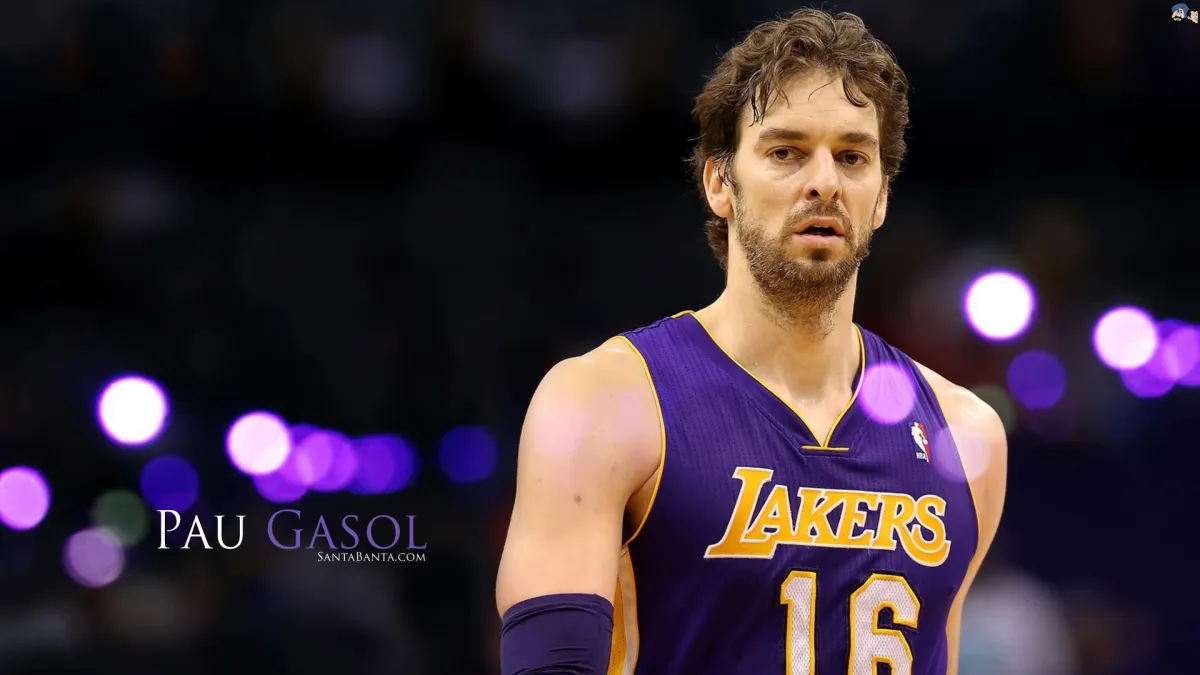 Photo: Pau Gasol, via wallpapercave.com
The move instantly transformed Kobe Bryant from a lone wolf into the leader of a championship contender. Gasol's unselfish play and basketball IQ complemented Kobe's intensity perfectly. Within two years, they had reached three straight Finals and won two titles.
What made this trade special wasn't just Gasol's talent—it was how perfectly his skills meshed with what the Lakers already had. Great trades don't just add talent; they create chemistry that's greater than the sum of its parts.
The Cubs Break the Curse
The Chicago Cubs' 2016 championship run started with a trade most fans barely noticed. In 2012, they dealt pitcher Ryan Dempster to Texas and used the prospects they received to build toward their historic title.
But the real franchise-changing move came earlier, when Theo Epstein arrived from Boston with a plan. The Cubs systematically traded away veteran players for young talent, stockpiling the prospects who would become their championship core.
Trades like the ones that brought Kris Bryant, Anthony Rizzo, and other key pieces to Chicago proved that sometimes you have to tear everything down before you can build something special. The Cubs didn't just make one great trade—they executed a multi-year vision that ended a 108-year championship drought.
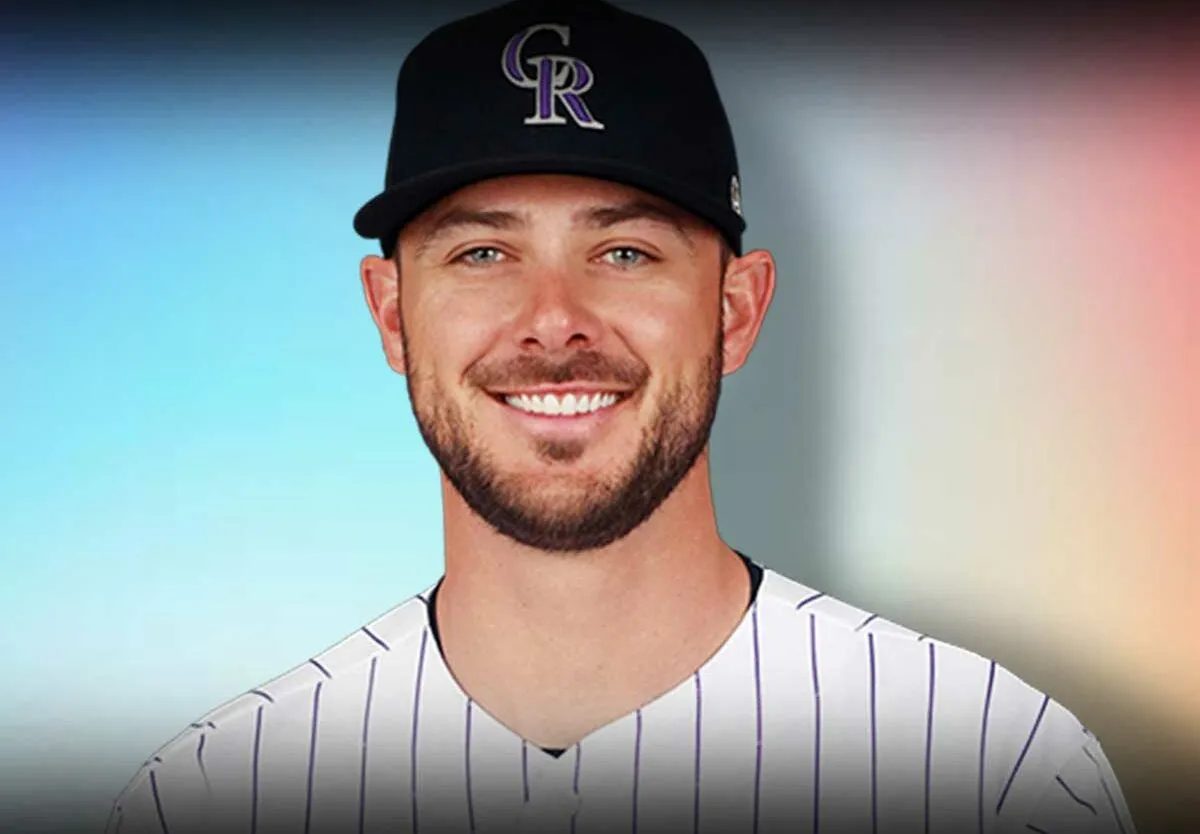 Photo: Kris Bryant, via nationaltoday.com
The Psychology of the Big Move
What separates these franchise-altering trades from typical deadline deals? It's not always about getting the best player. Sometimes it's about finding the right player at the right time.
The best general managers understand that talent alone doesn't guarantee success. They look for players whose skills complement their existing roster, whose personality fits their locker room culture, and whose timeline matches their championship window.
These trades also require courage. When the Patriots traded for Moss, critics questioned whether his attitude problems would poison the locker room. When the Lakers acquired Gasol, some wondered if he was tough enough for playoff basketball. The best front offices ignore the noise and trust their evaluation.
The Ripple Effect
Great trades don't just improve the roster—they change the entire culture of an organization. When players see management willing to make bold moves to win, it sends a message that this franchise is serious about championships.
These moves also energize fan bases in ways that incremental improvements never could. When your team lands a star player, it creates buzz that extends far beyond the locker room. Season ticket sales spike, merchandise flies off the shelves, and suddenly everyone wants to be part of something special.
Learning from the Masters
What can struggling franchises learn from these championship-defining trades? First, timing matters more than talent. The perfect player at the wrong time won't move the needle. Second, chemistry beats pure ability every single time.
Most importantly, these trades require vision that extends beyond the immediate future. The best general managers don't just ask whether a player makes them better today—they ask whether he makes them champions tomorrow.
In a league where margins are razor-thin, sometimes one perfect trade is all that stands between mediocrity and a championship parade.