Plan B Is the New Plan A: Why NFL Teams With Elite Backup QBs Have a Secret Weapon

Photo by Photo by Tim Mossholder on Unsplash on Unsplash
Having a capable backup quarterback used to be a nice-to-have. In today's NFL, it might be the most underrated roster-building advantage in the entire league. Here's why the teams with real depth at quarterback are quietly playing a different game — and which franchises are already ahead of the curve.
Here's a thought experiment. Your team's starting quarterback goes down in Week 6. Torn ACL, out for the season. What happens next?
For most NFL franchises, the honest answer is: the season ends right there. Maybe not officially — the schedule keeps going, the games get played — but everyone knows. The front office starts thinking about draft position. The fanbase starts a quiet grieving process. The backup takes the field and does his best, which is usually just enough to lose respectably.
But for a growing number of teams, that same scenario plays out differently. The backup trots out, the offense adjusts, and — somehow — the wins keep coming. The season doesn't end. It just changes shape.
This isn't luck. It's a philosophy. And the teams that have embraced it are quietly building rosters that are more resilient, more dangerous, and harder to prepare for than anything a simple depth chart can reveal.
The Old Model Is Broken
For decades, NFL teams treated the backup quarterback position the way most people treat a spare tire. You need it in the car. You hope you never use it. And you definitely don't spend a lot of money on it.
The logic made sense in a different era. Starting quarterbacks played every snap. Backups held clipboards. The gap between the two was so wide that it barely mattered who was holding the clipboard, because the moment he stepped on the field, you were in survival mode anyway.
That model started cracking when the game changed. Modern offenses are more quarterback-dependent than ever. The position touches every single play. And with the way the game is played now — faster, more physical, more complex — the injury rate at quarterback has never been higher. Expecting your starter to play 17 regular-season games plus a full playoff run without missing a snap is, frankly, wishful thinking.
The teams that figured this out first aren't just protecting against injury. They're building an entirely different kind of competitive advantage.
When the Backup Becomes the Story
The most dramatic recent example of backup QB depth changing a season's trajectory is almost too obvious to need restating, but it's worth saying anyway: Nick Foles, Super Bowl LII.
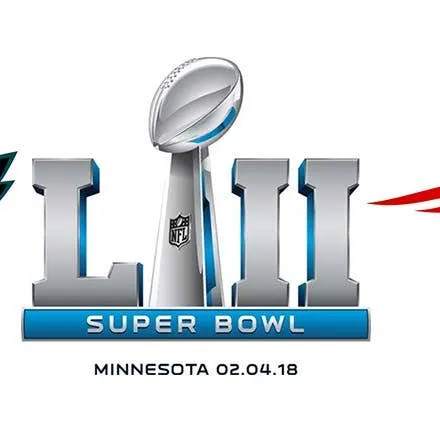 Photo: Super Bowl LII, via athlonsports.com
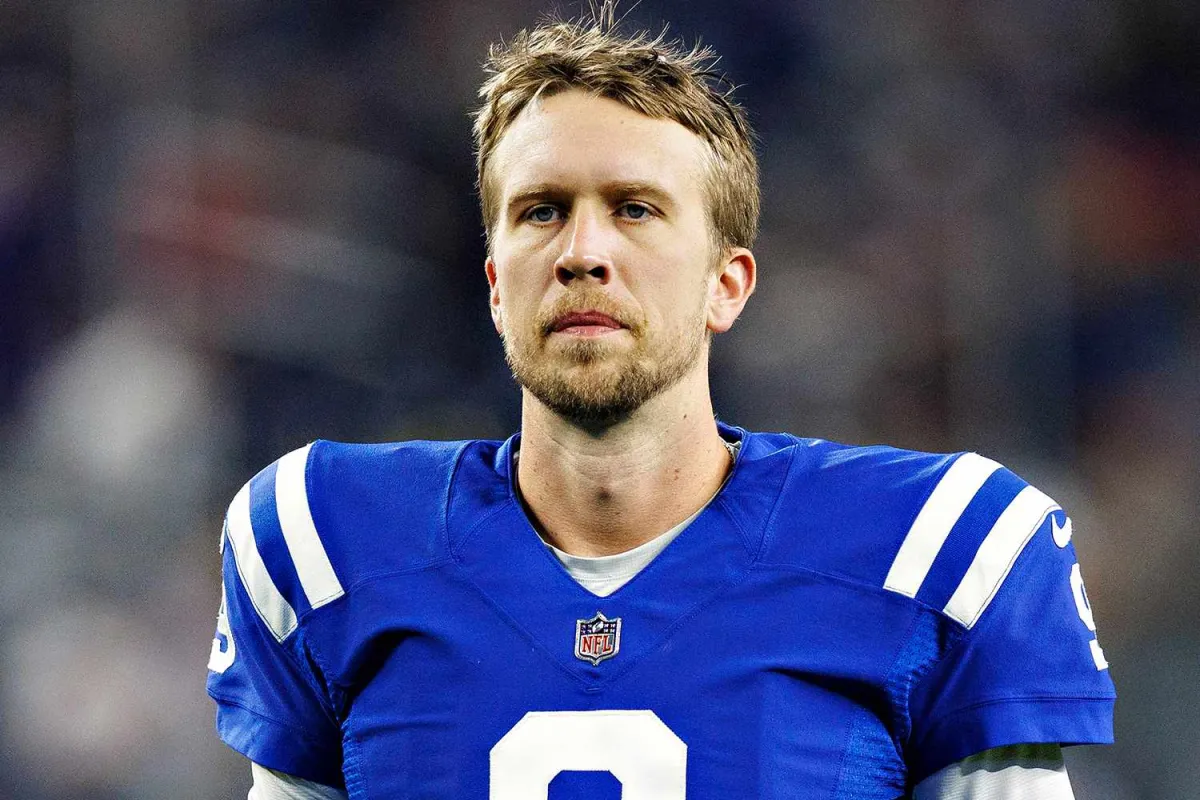 Photo: Nick Foles, via people.com
The Philadelphia Eagles lost Carson Wentz late in the regular season, a moment that felt like a death sentence for their championship hopes. Instead, Foles played some of the most efficient football of any quarterback in that postseason — including a Super Bowl MVP performance that still doesn't get the credit it deserves. The Eagles didn't survive despite losing their starter. They won a championship because they had a backup who was genuinely, legitimately good.
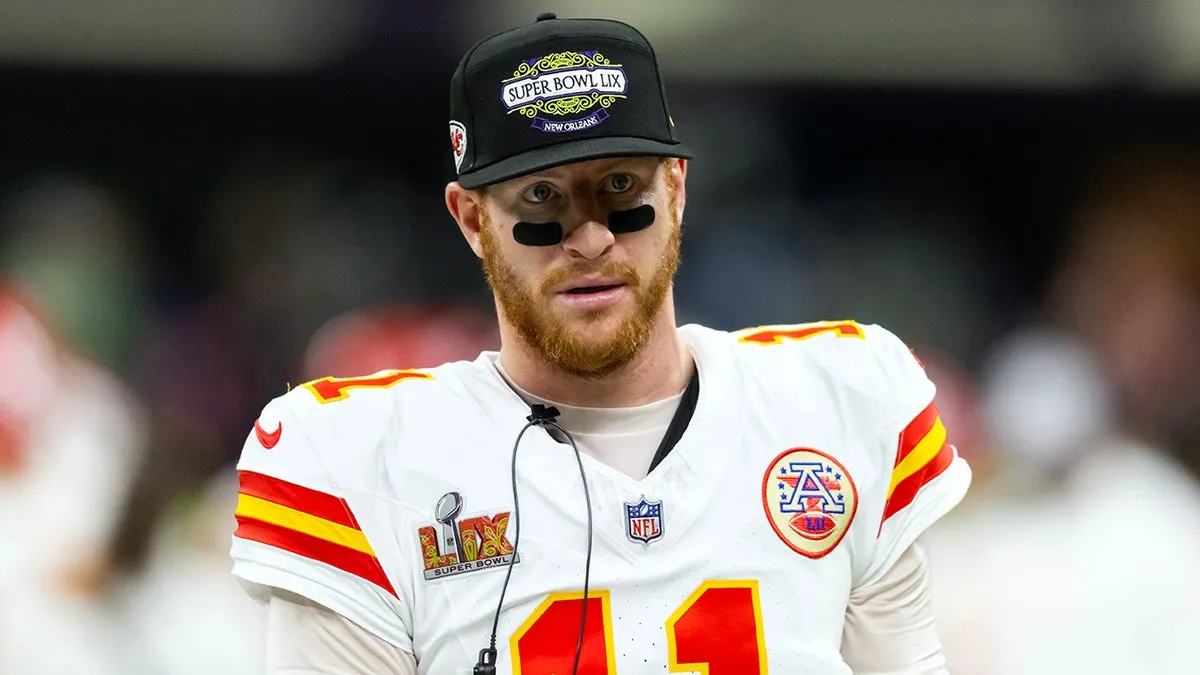 Photo: Carson Wentz, via a57.foxnews.com
That game changed how a lot of front offices thought about the position. Not all of them acted on it. But the smart ones paid attention.
More recently, the principle keeps proving itself. Teams that enter a season with a capable second option at quarterback play with a kind of confidence that's hard to quantify but very easy to see. They're not white-knuckling through every snap their starter takes. They're not one hit away from panic mode. That psychological stability ripples through the entire roster.
What "Elite Backup" Actually Means
Let's be clear about the bar here, because "capable backup" gets thrown around loosely. We're not talking about a veteran who can manage a game and hand it off competently. We're talking about a quarterback who can run the offense, make decisions under pressure, and give a team a genuine shot to win games — not just compete in them.
That's a rare commodity. Most players who fit that description are either starting somewhere or were recently starting somewhere and got displaced. They're expensive, relatively speaking, for a backup role. And they require a coaching staff that actually invests time in preparing them, not just keeping them warm on the sideline.
The teams willing to pay that price — in salary, in preparation time, in roster construction — are the ones that show up differently when things go sideways.
The Franchises Getting This Right
Without naming names based on a single season's snapshot (rosters change fast in this league), the pattern tends to look the same. The franchises that consistently develop or acquire quality backup quarterbacks share a few traits.
First, they tend to have coaching staffs that run systems rather than star-dependent schemes. If your offense only works with one specific quarterback's skill set, your backup is already in trouble before he takes a snap. But if your system is designed to be executed by multiple players at the position, depth becomes a real asset.
Second, they tend to have general managers who treat the backup QB slot as a genuine roster priority rather than an afterthought. These are the front offices that take a flier on a former starter in free agency, or use a mid-round draft pick on a developmental quarterback they actually intend to develop.
Third — and this is the one that gets overlooked most often — they practice differently. The backup gets real reps. He knows the game plan. He's not just a body in practice; he's a functional part of the preparation process.
The Ripple Effect Nobody Talks About
Here's the part of this conversation that almost never comes up: having a legitimate backup quarterback changes how the rest of your roster plays.
Defenses that know your backup is a real threat can't completely change their approach when he comes in. They can't tee off the way they might against a quarterback they've never game-planned for. That uncertainty is valuable.
And offensively, the knowledge that the team won't fall apart if the starter gets nicked up creates a kind of loose confidence. Players aren't playing scared. The offensive line isn't in panic mode. The whole operation breathes a little easier.
None of this shows up in a box score. But it shows up in October and November, when seasons are won and lost in the grinding middle stretch of the schedule.
The Bottom Line
The NFL is a league defined by injury, attrition, and unpredictability. Every team knows this. Not every team builds for it.
The franchises that treat backup quarterback depth as a strategic priority — not a luxury, not an afterthought, but a genuine competitive edge — are playing a smarter version of the game. They're not just hoping their starter stays healthy. They're building a roster that can survive and compete no matter what the injury report says.
In a league where the difference between a championship run and a first-round exit can come down to one play, one hit, one unlucky landing — that kind of depth isn't just smart. It might be the smartest thing in the building.